MICROSOFT, 2026
Every idea of computing needs a shape. Through Surface and the tools around it, Microsoft has explored how an idea becomes something we hold, touch, and use. Now, as intelligence moves between the device and the cloud, that relationship is shifting. We can ask, create, and hand work over. Windows is becoming the space where intent turns into action. Surface gives that space a body.
Our collaboration with Microsoft works along this seam of idea and object. Through industrial design, CGI, and motion, we explore how emerging technology looks, feels, and fits into daily life. From a product to a campaign, a keynote stage to a wallpaper, each piece shapes that first encounter.
A SMALL CONNECTION
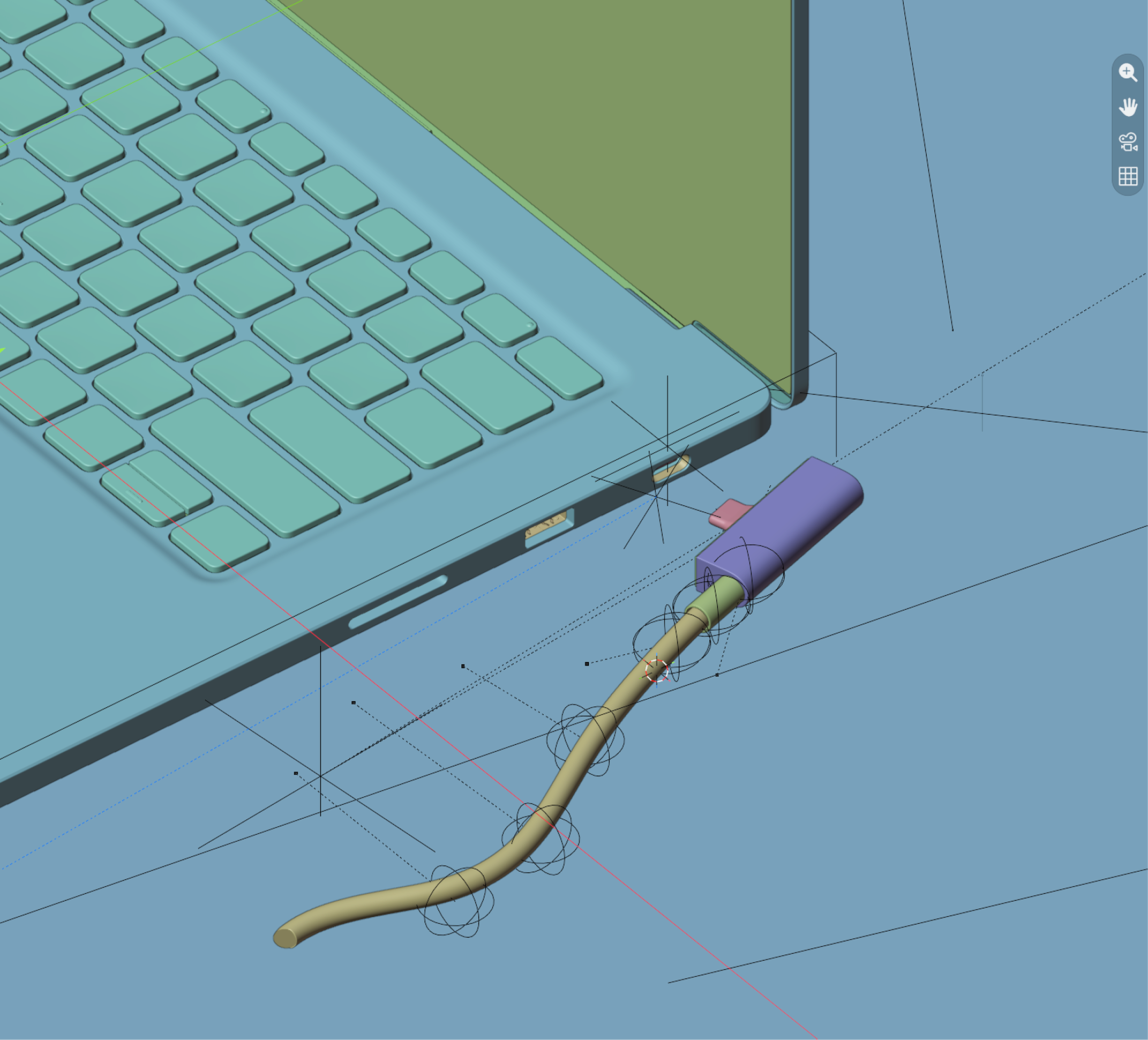
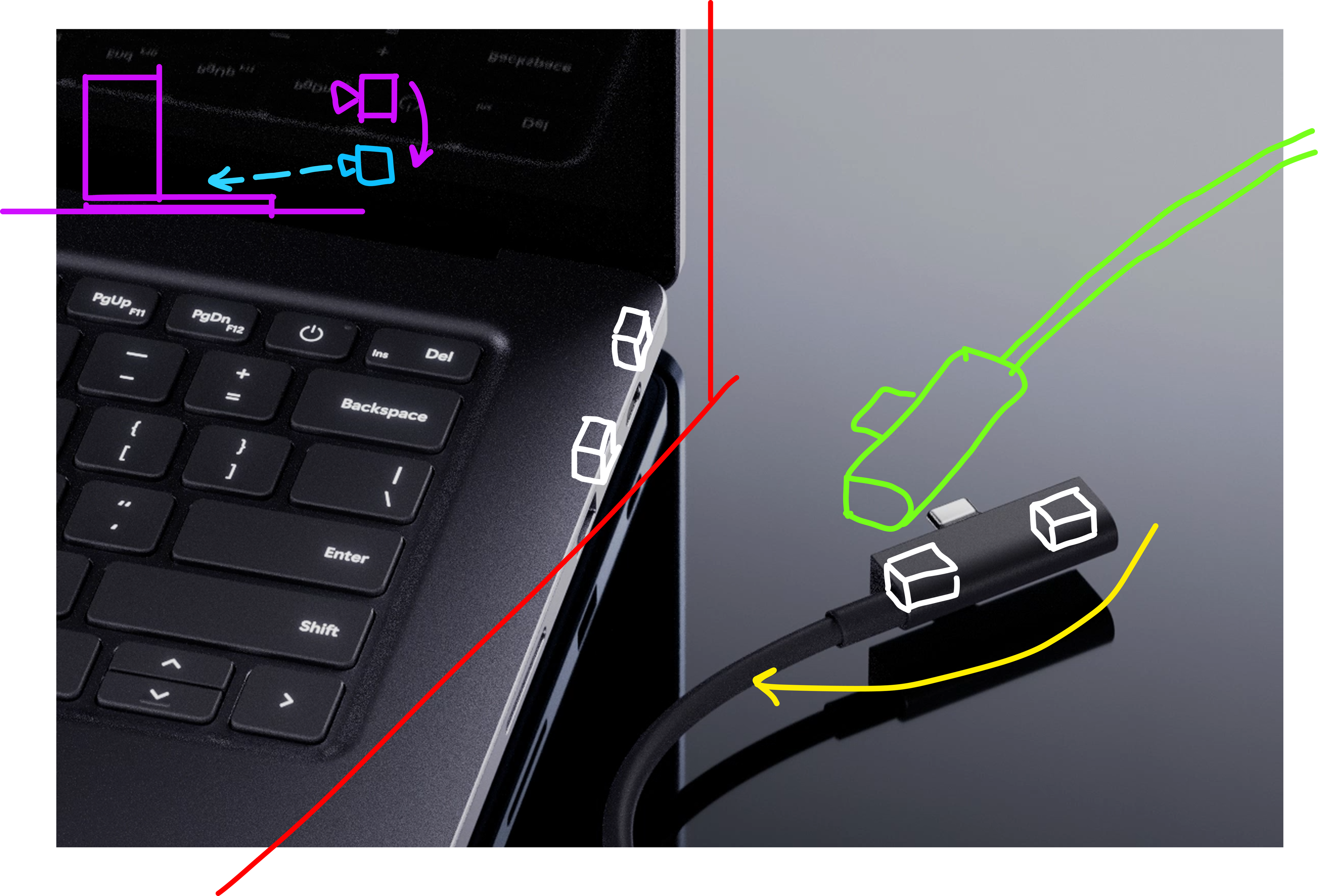
Plugging in a cable is a small ritual, learned by hand. With a magnetic connection, Microsoft lets that cable find its place. We slowed the moment down to make the engineering behind that ease visible.
INSIDE THE MACHINE
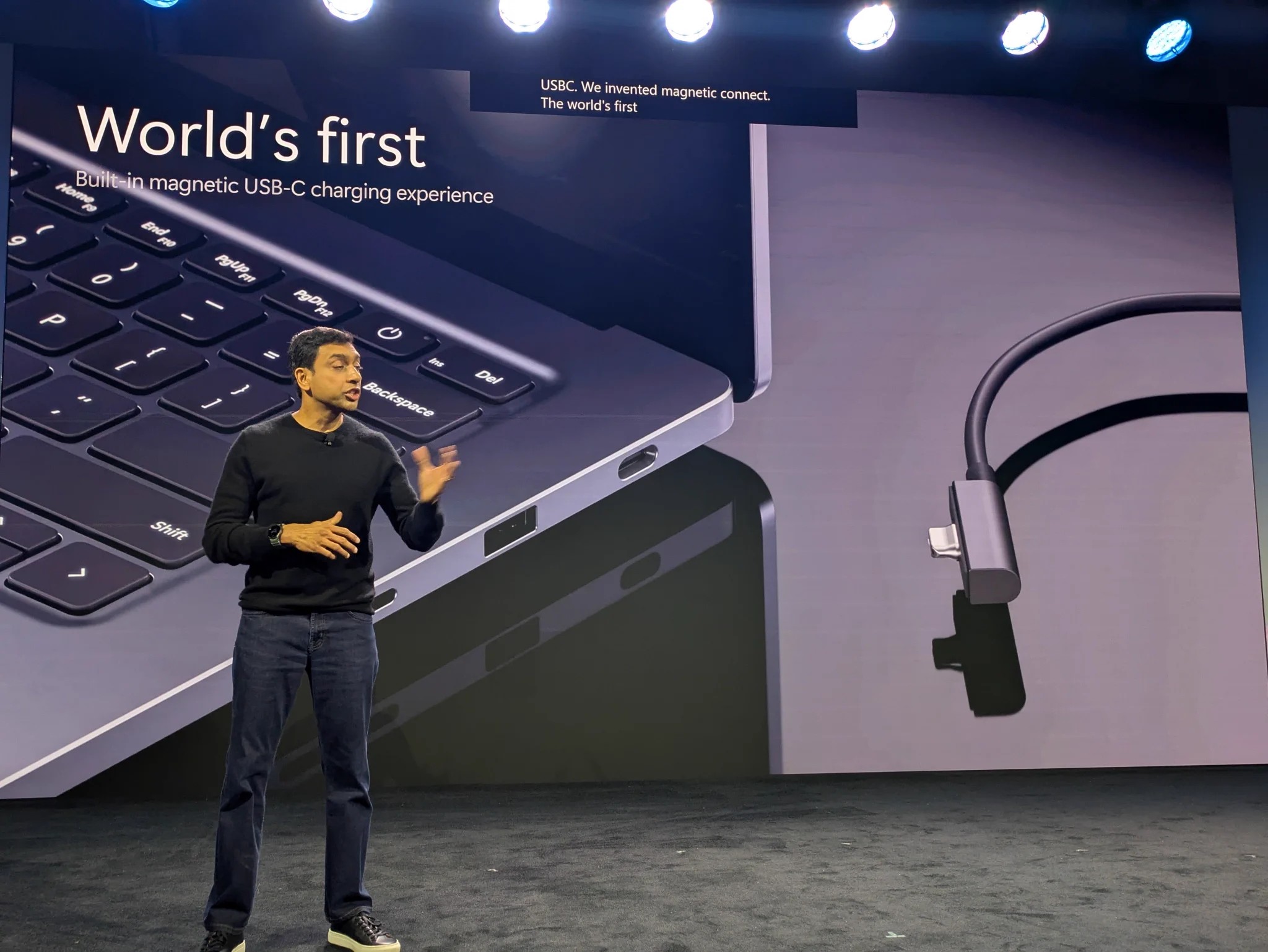
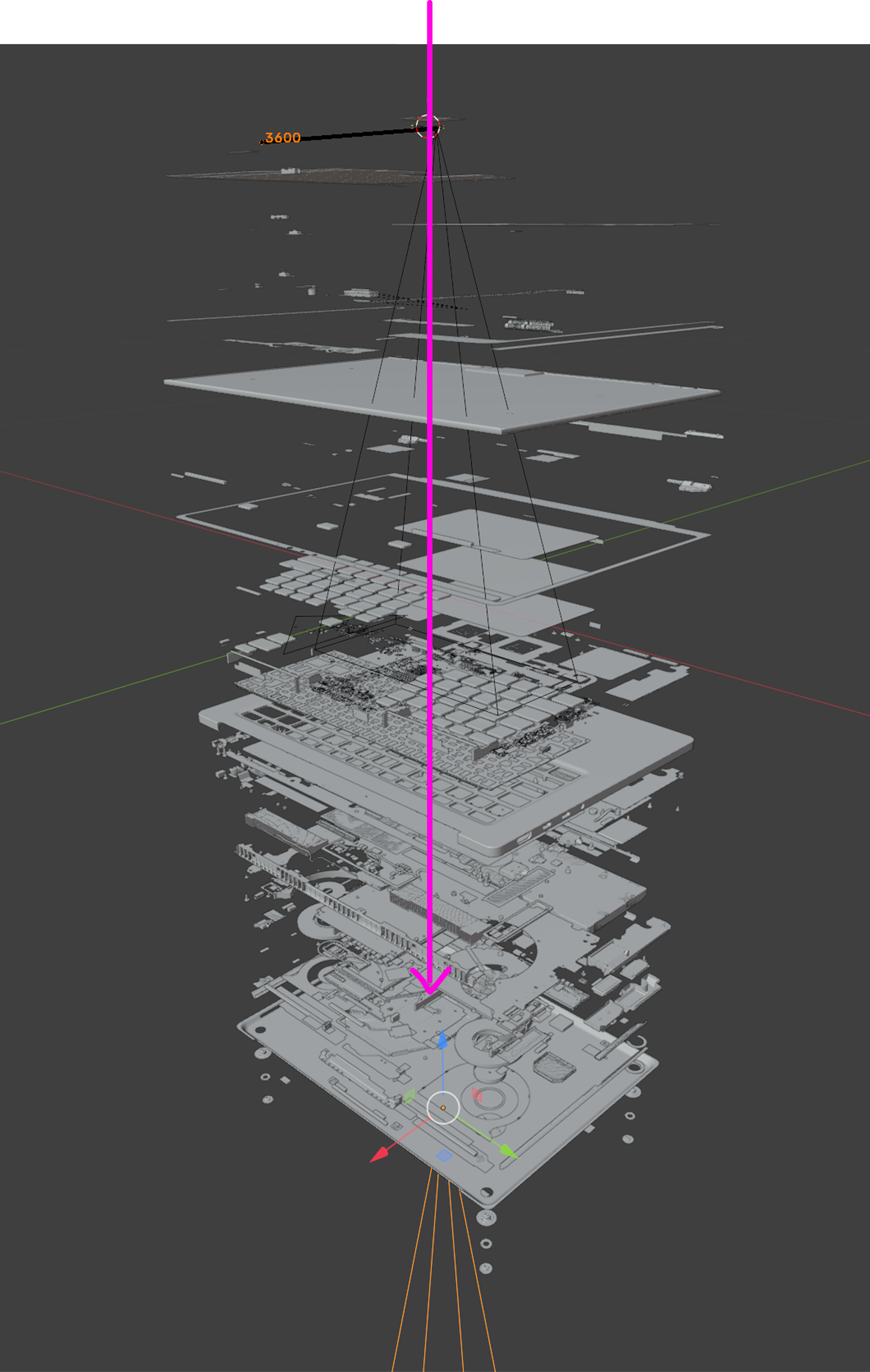
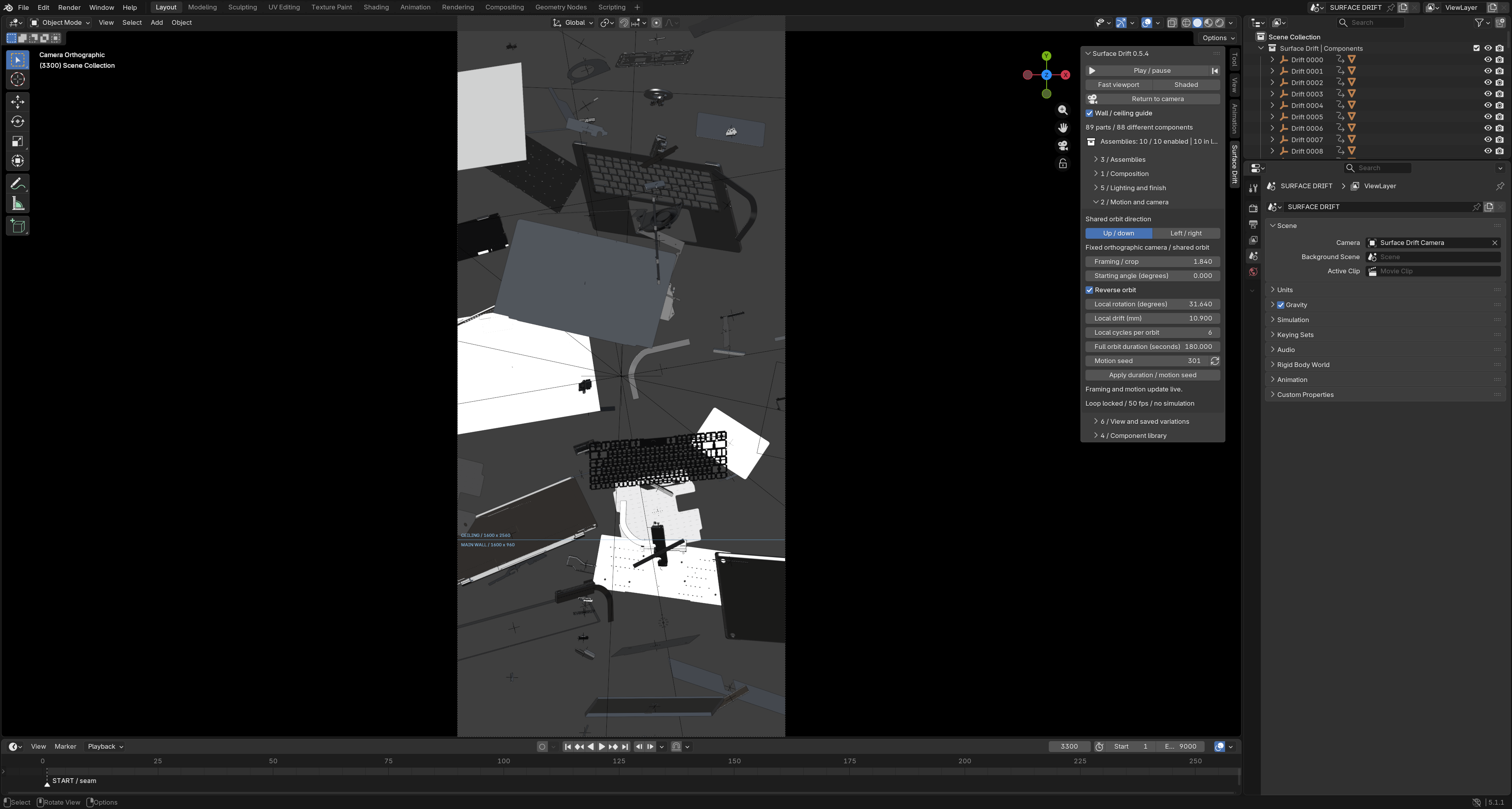
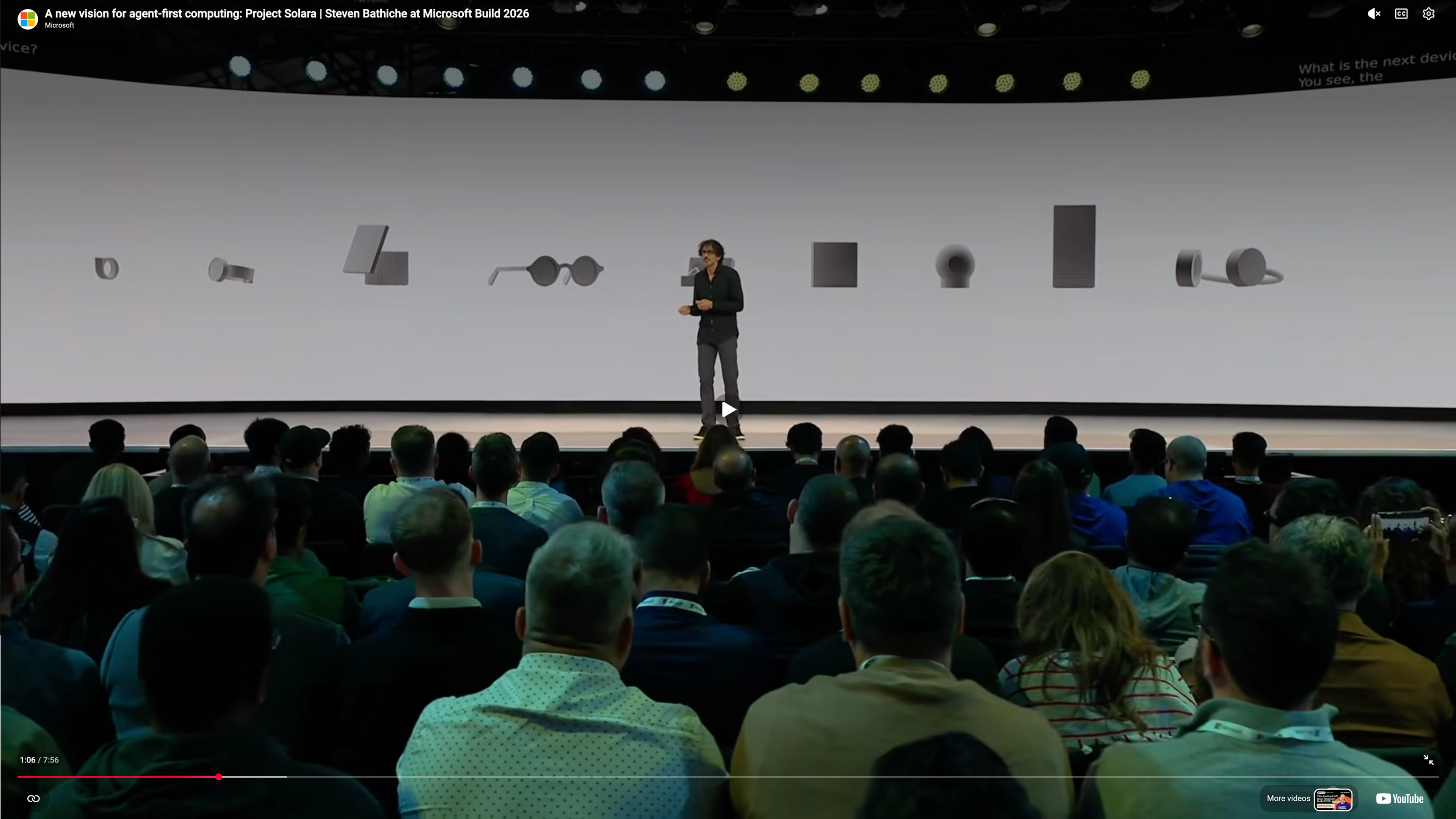
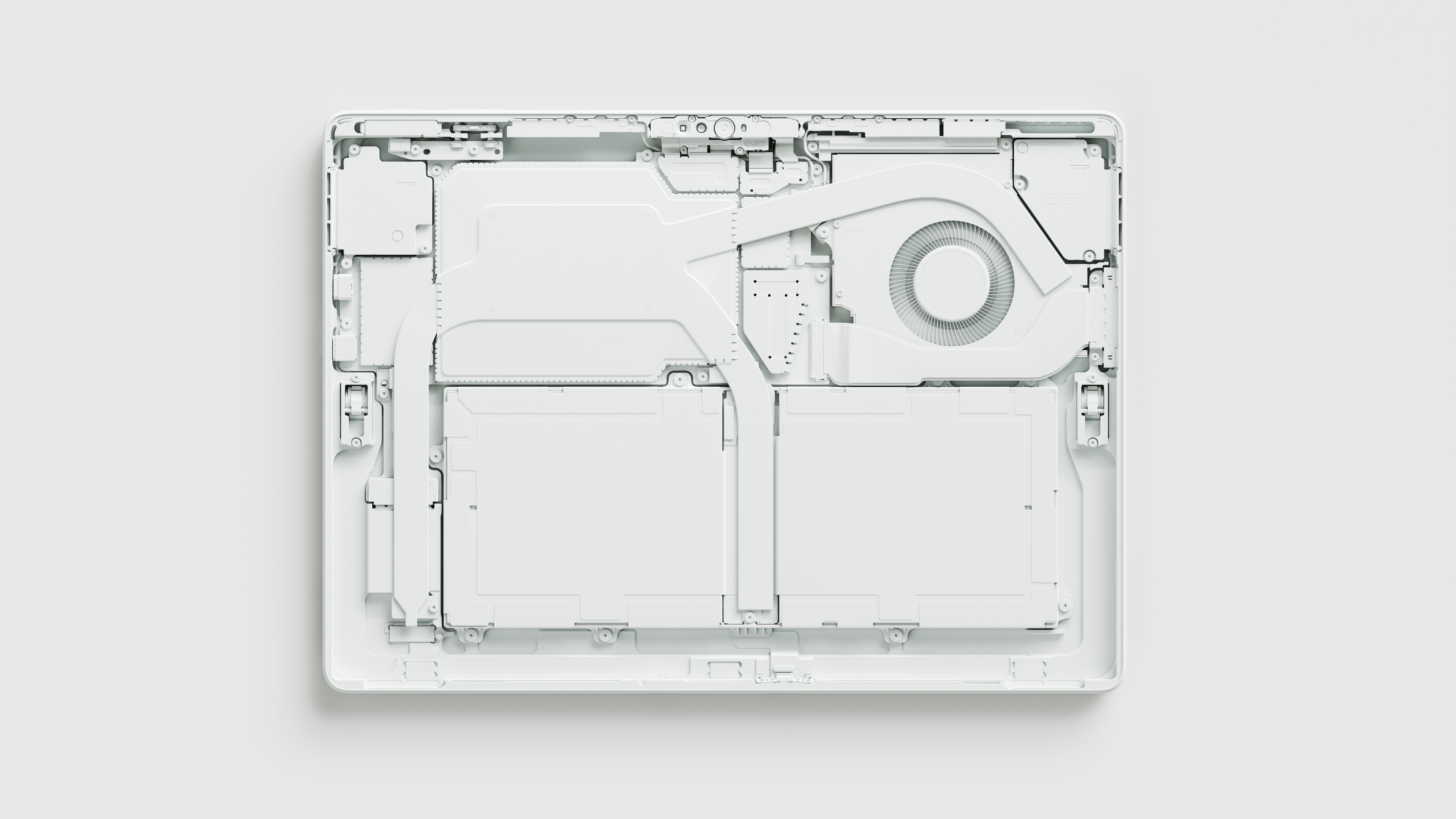
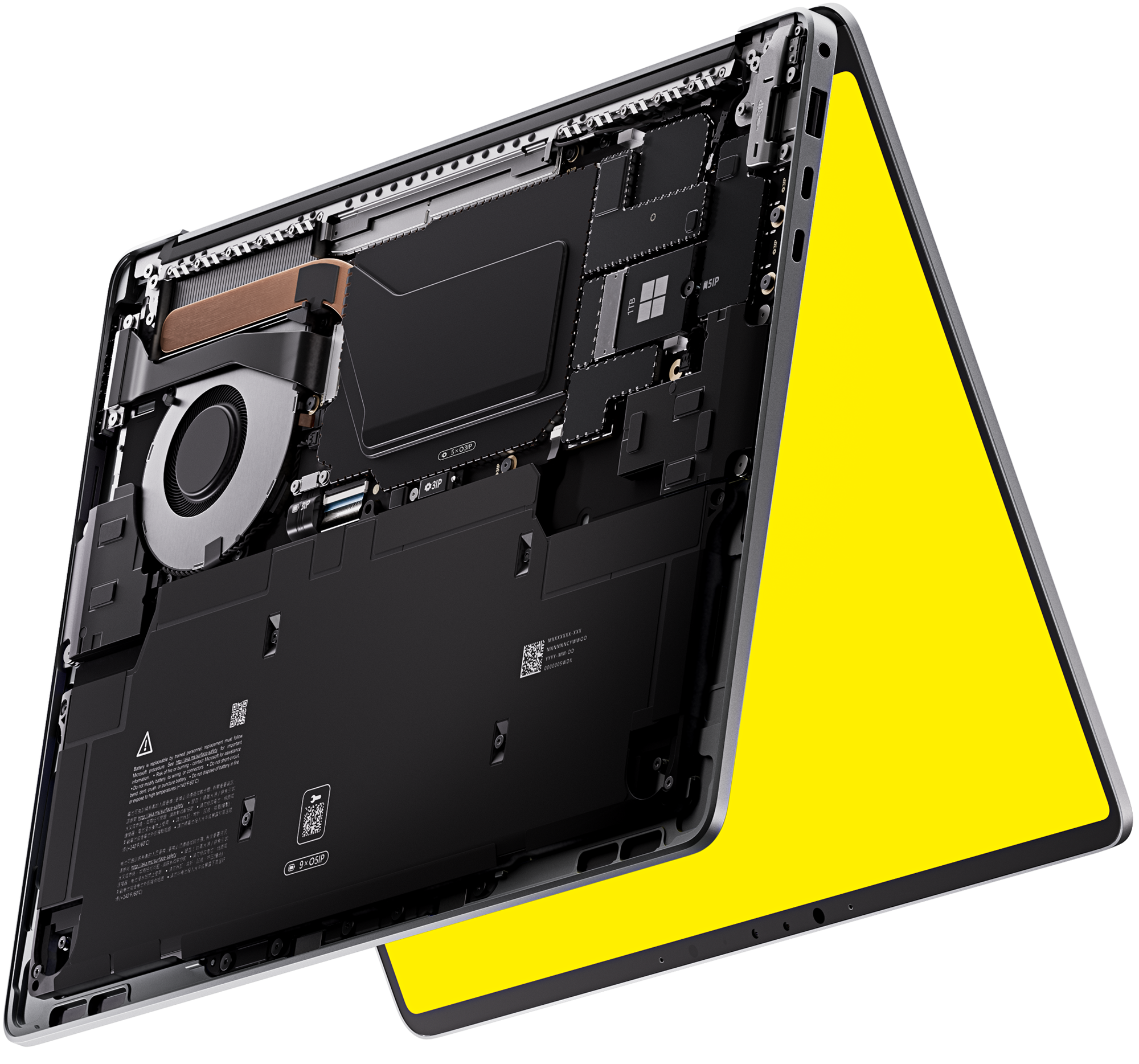
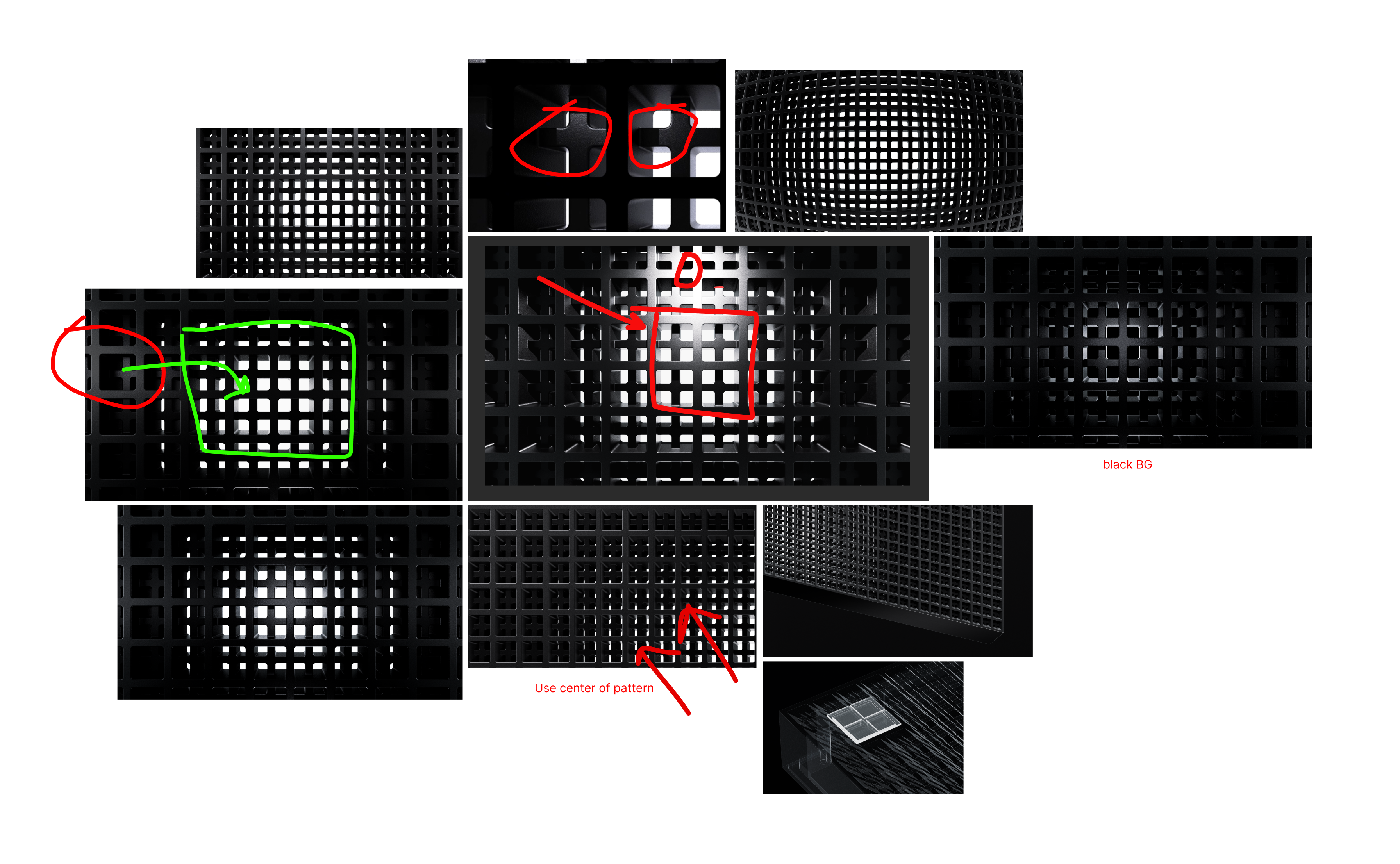
A screw small enough to lose on a desk becomes a shape large enough to stand beneath. For Microsoft’s Australia keynote backdrops, we brought the inside of the computer onto the stage. Parts became patterns, and the machine became the setting for its own introduction.
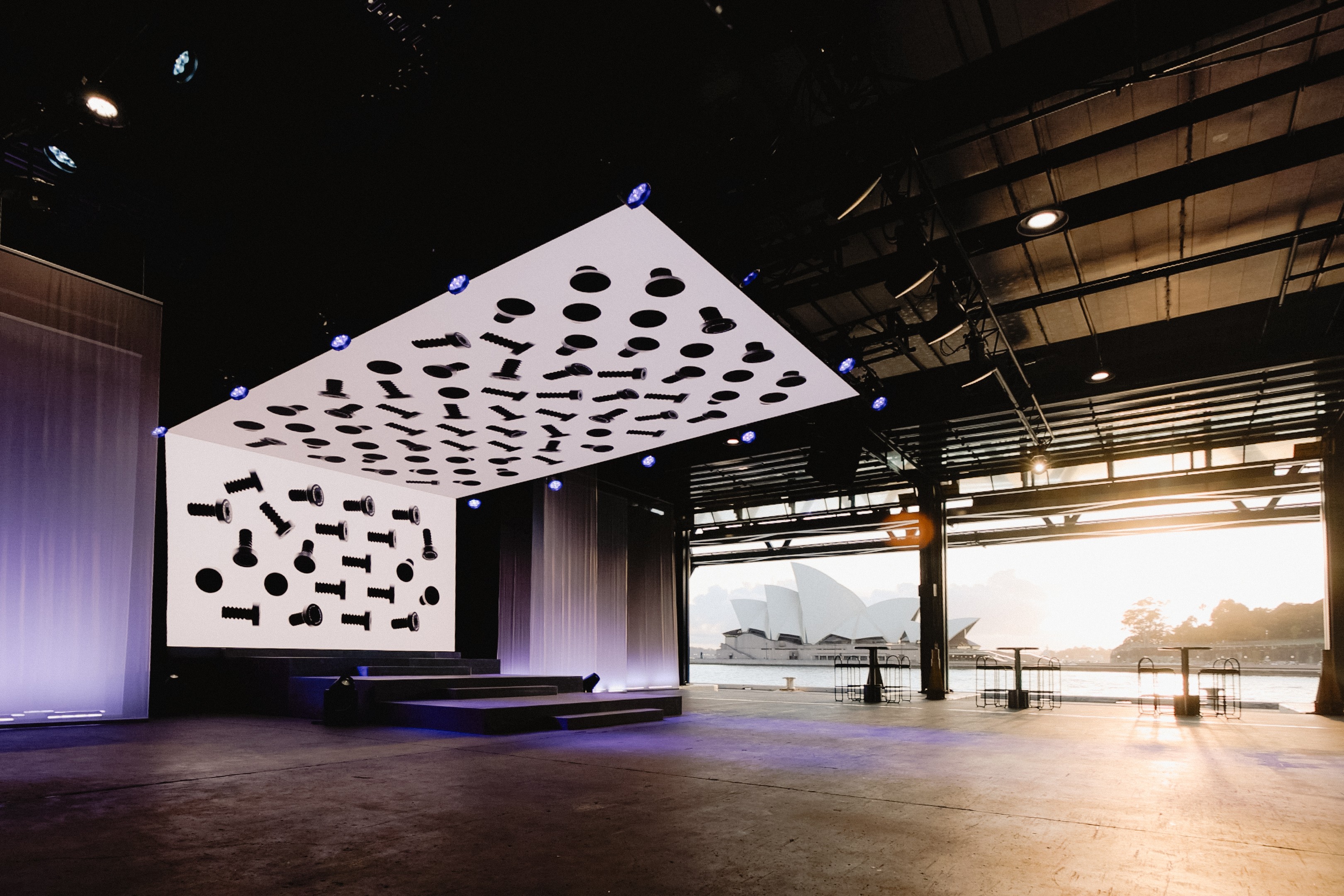
Photo by Microsoft
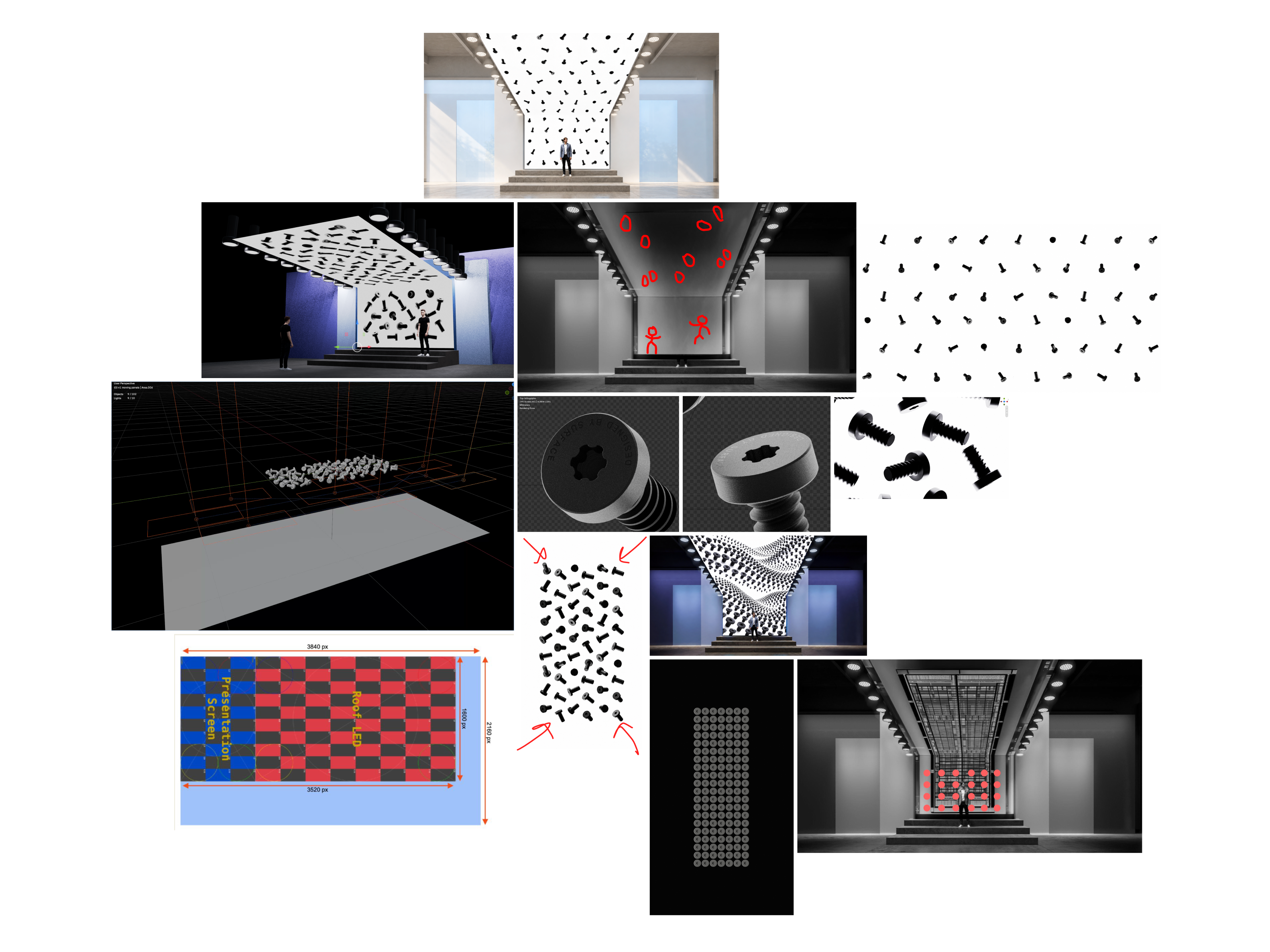
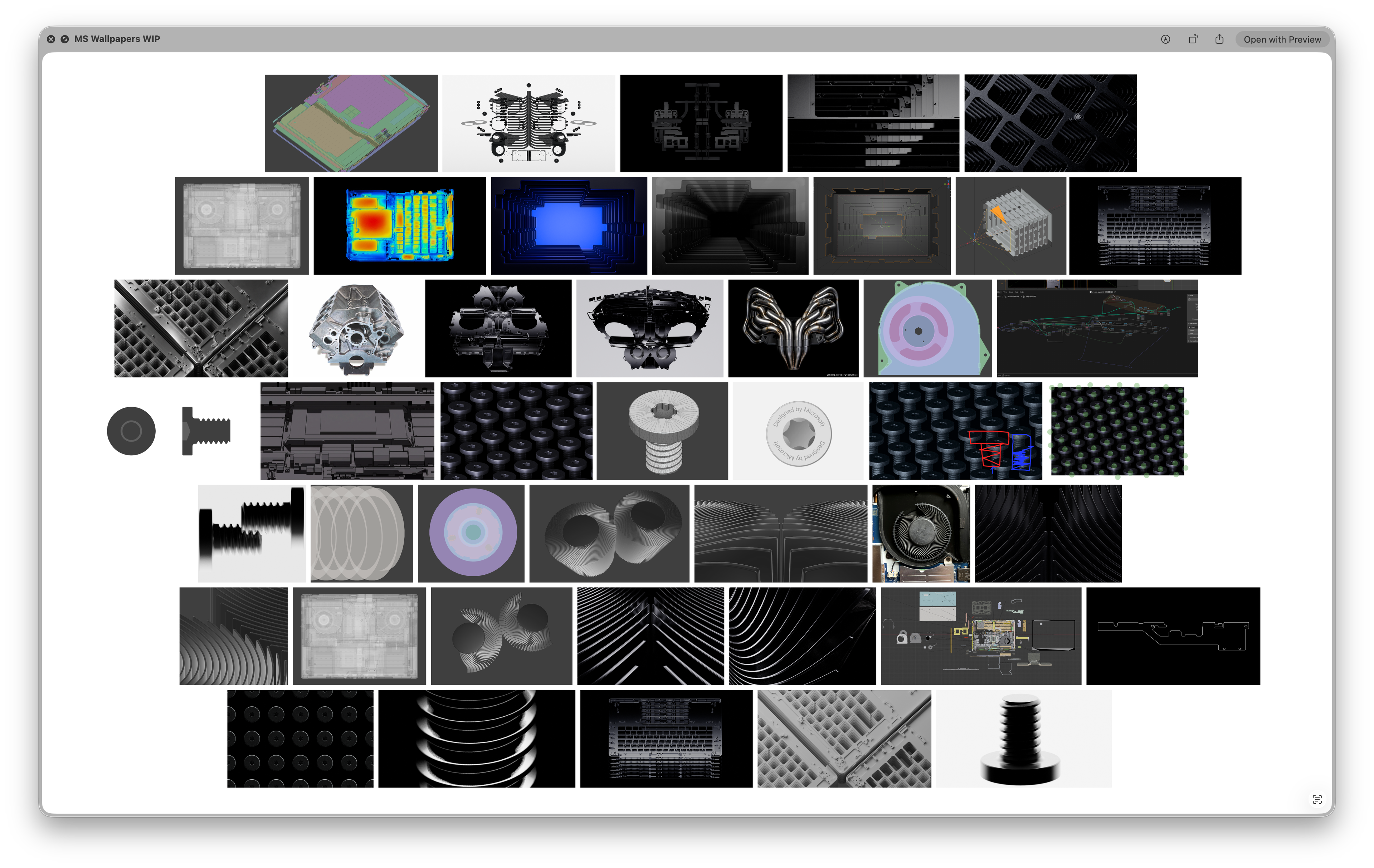
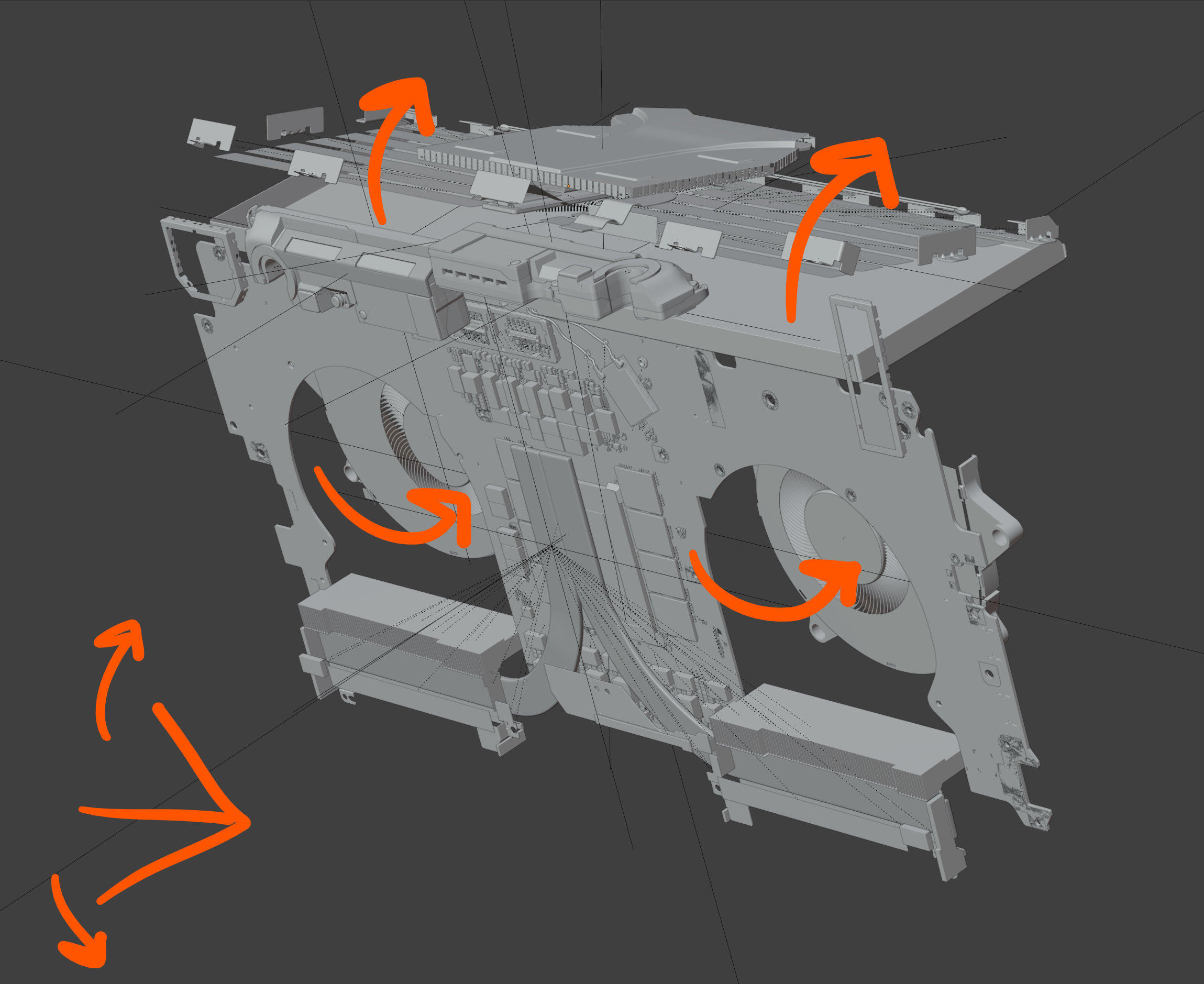
We moved through the internals and enlarged components until their shapes became patterns. Details usually hidden inside the enclosure took on the scale of the room.
IN GOOD COMPANY
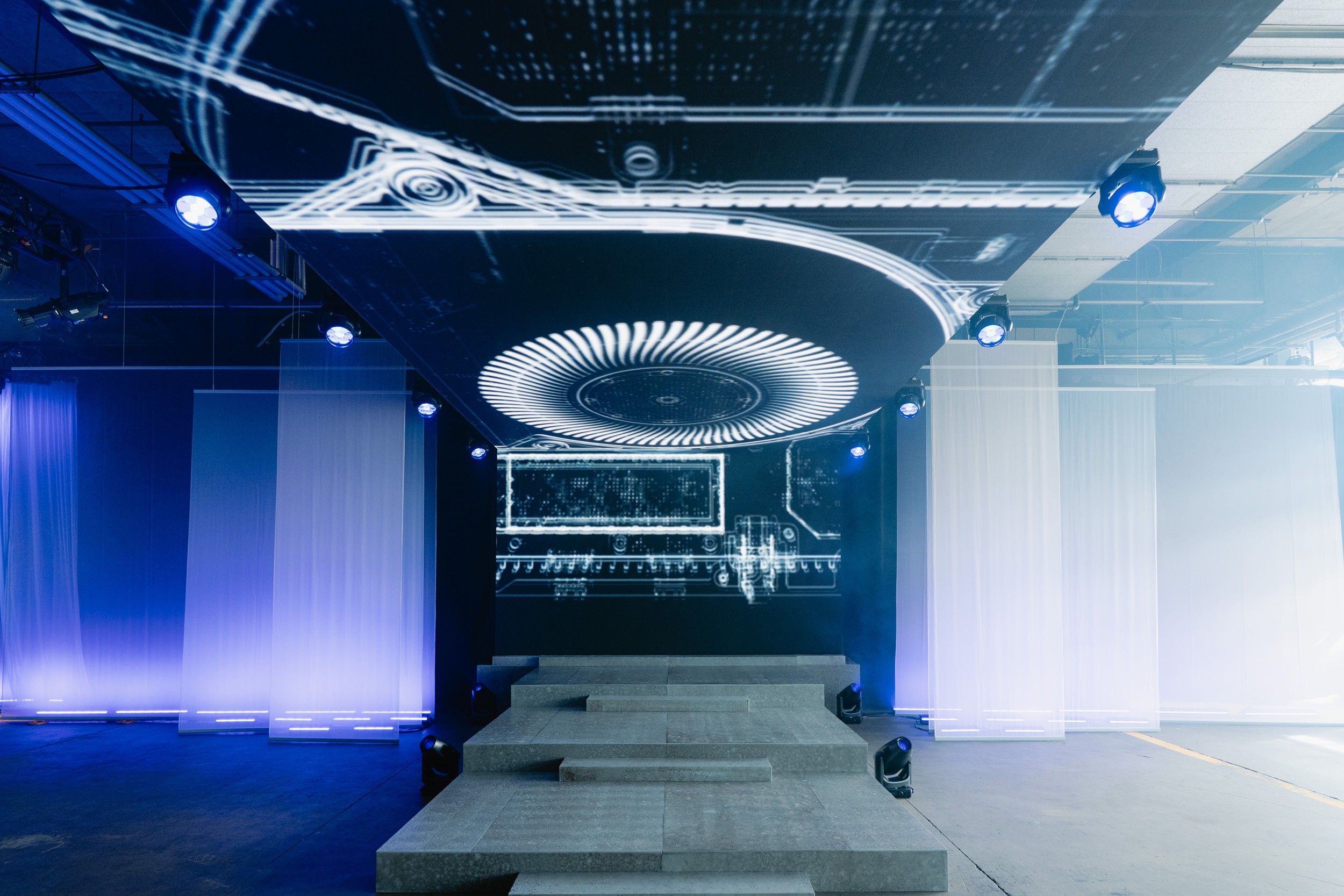
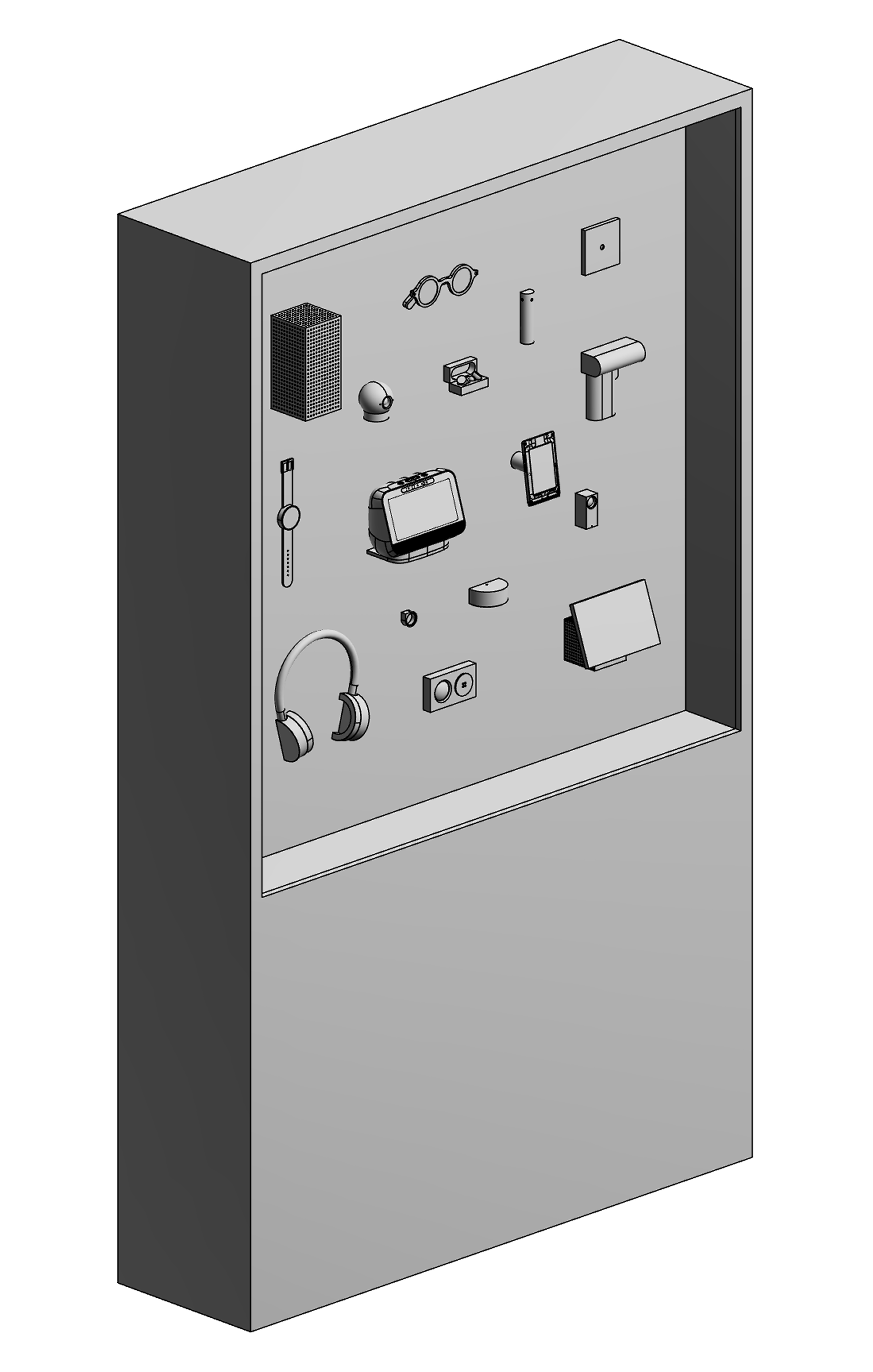
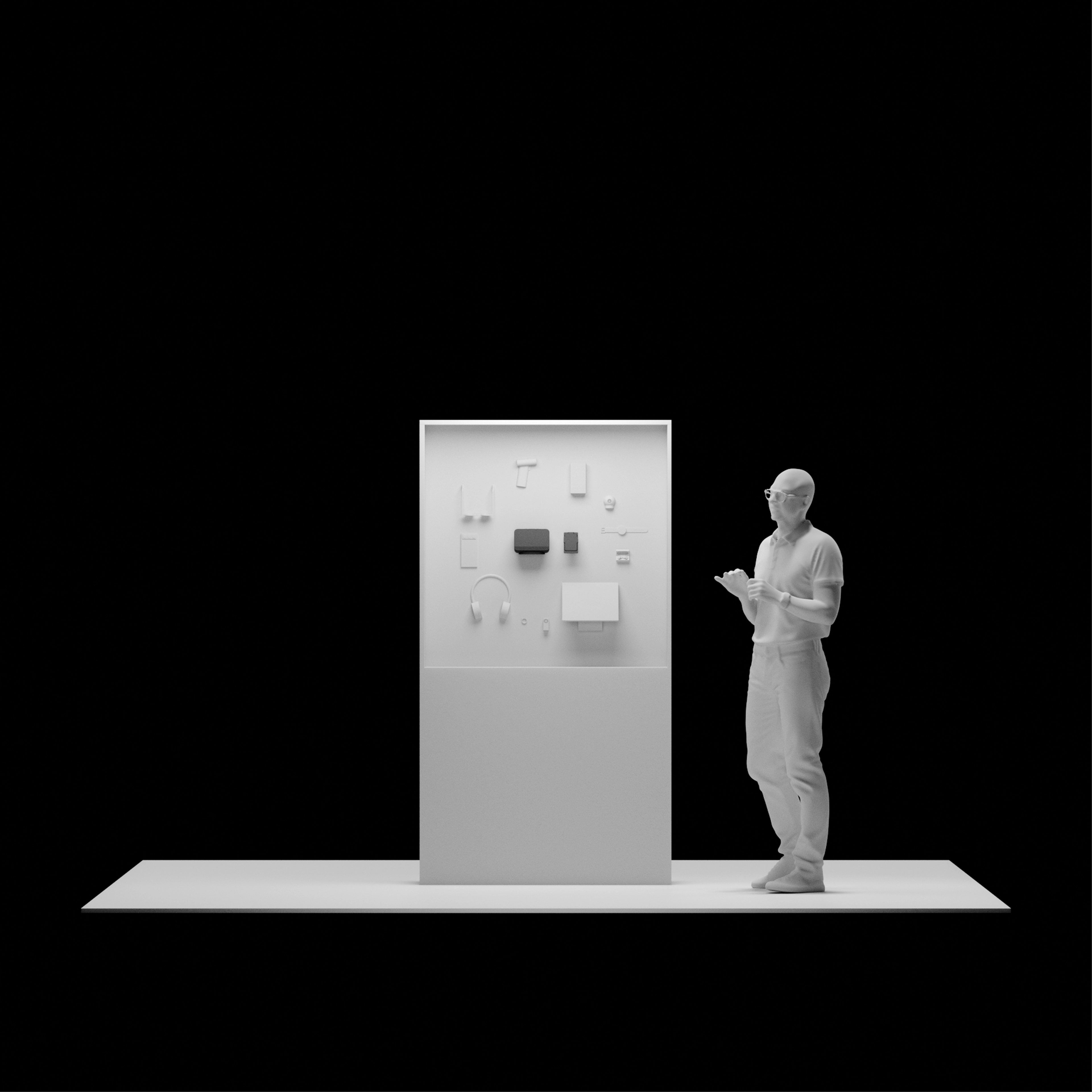
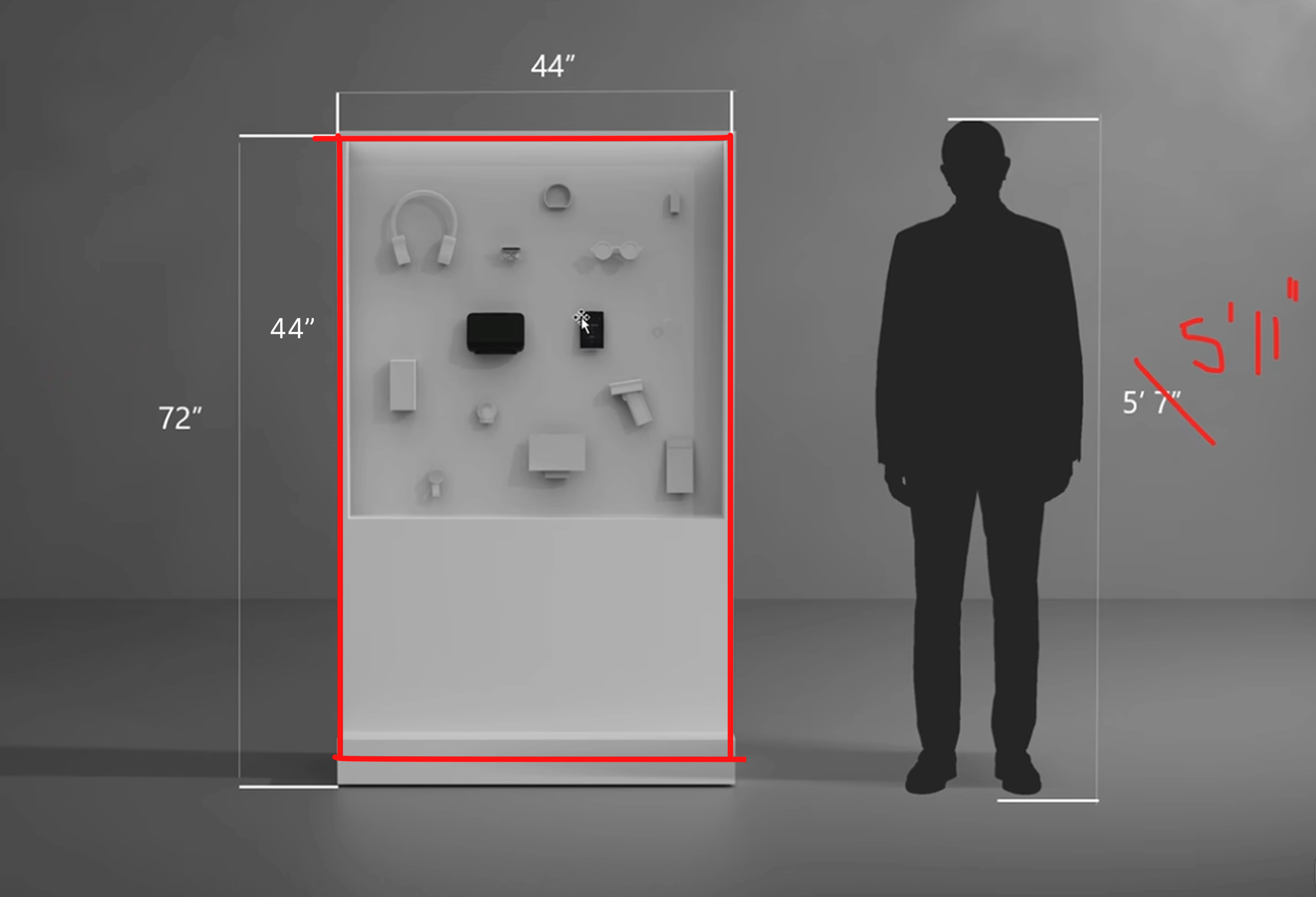
As intelligence takes new forms, familiar objects become clues to what a computer could be. For Microsoft’s Project Solara, we designed props that explore how agents might fit into daily life, with forms shaped around the people, places, and tasks they serve.
LIGHT & SHADOW
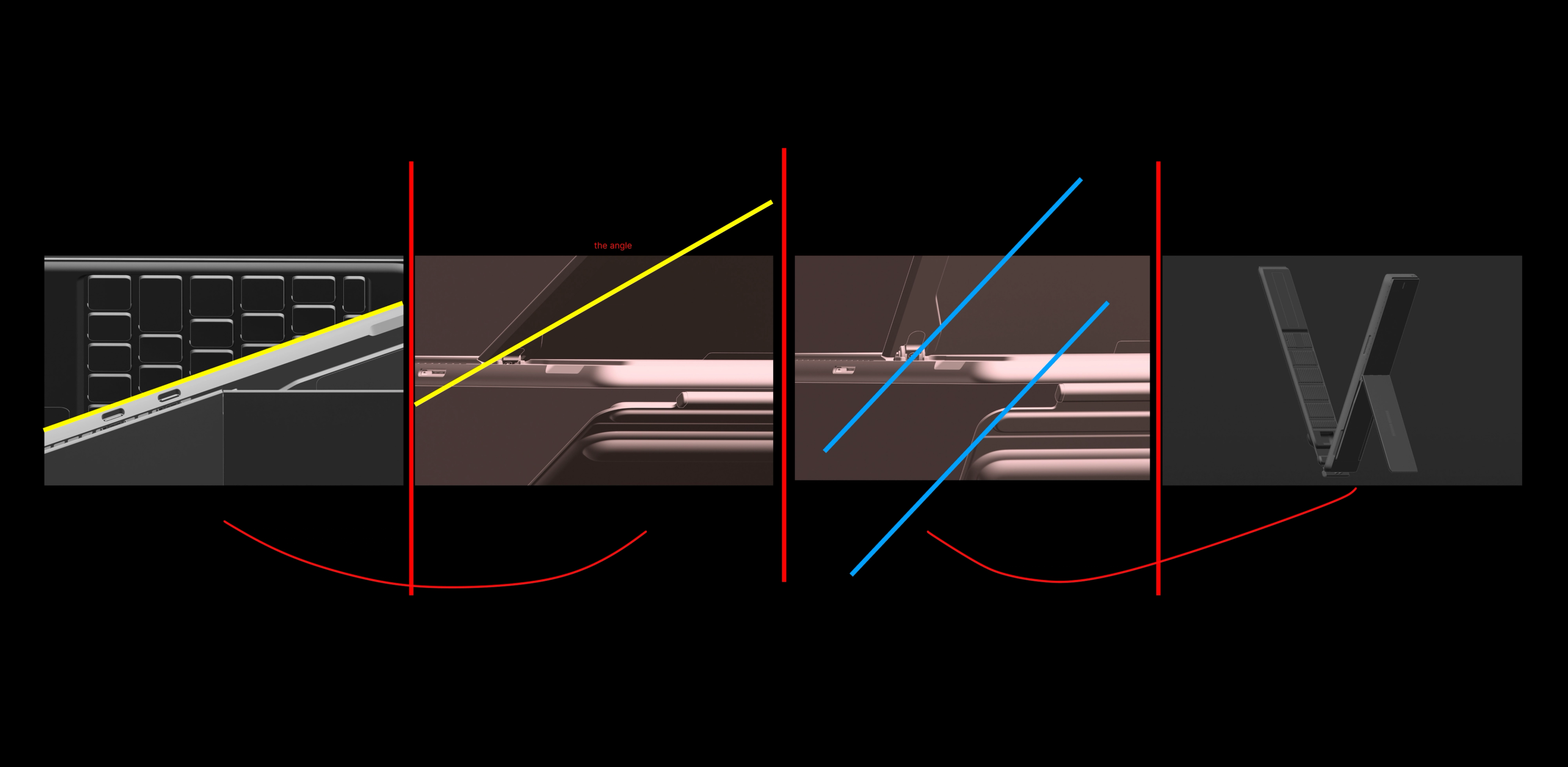
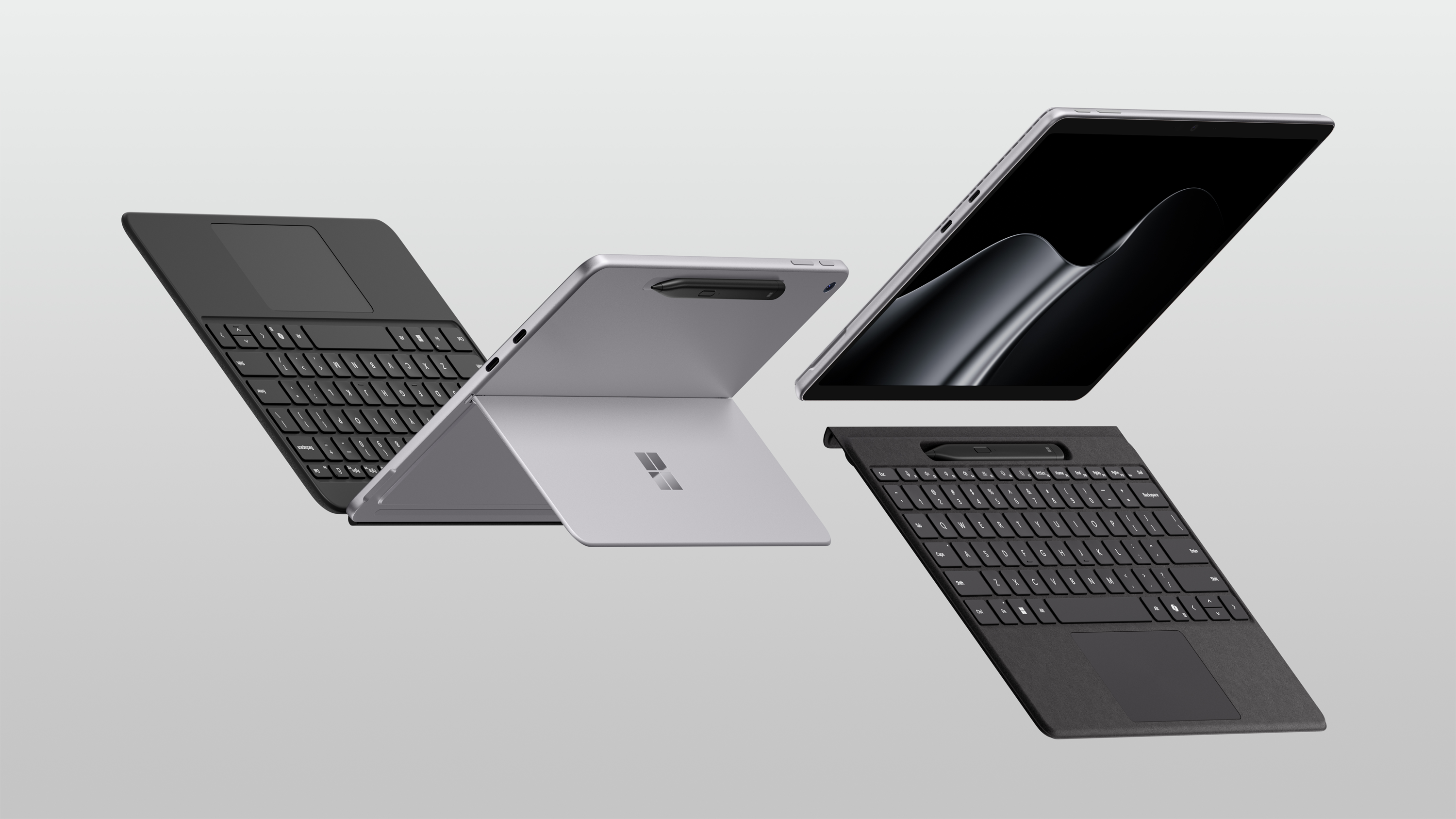
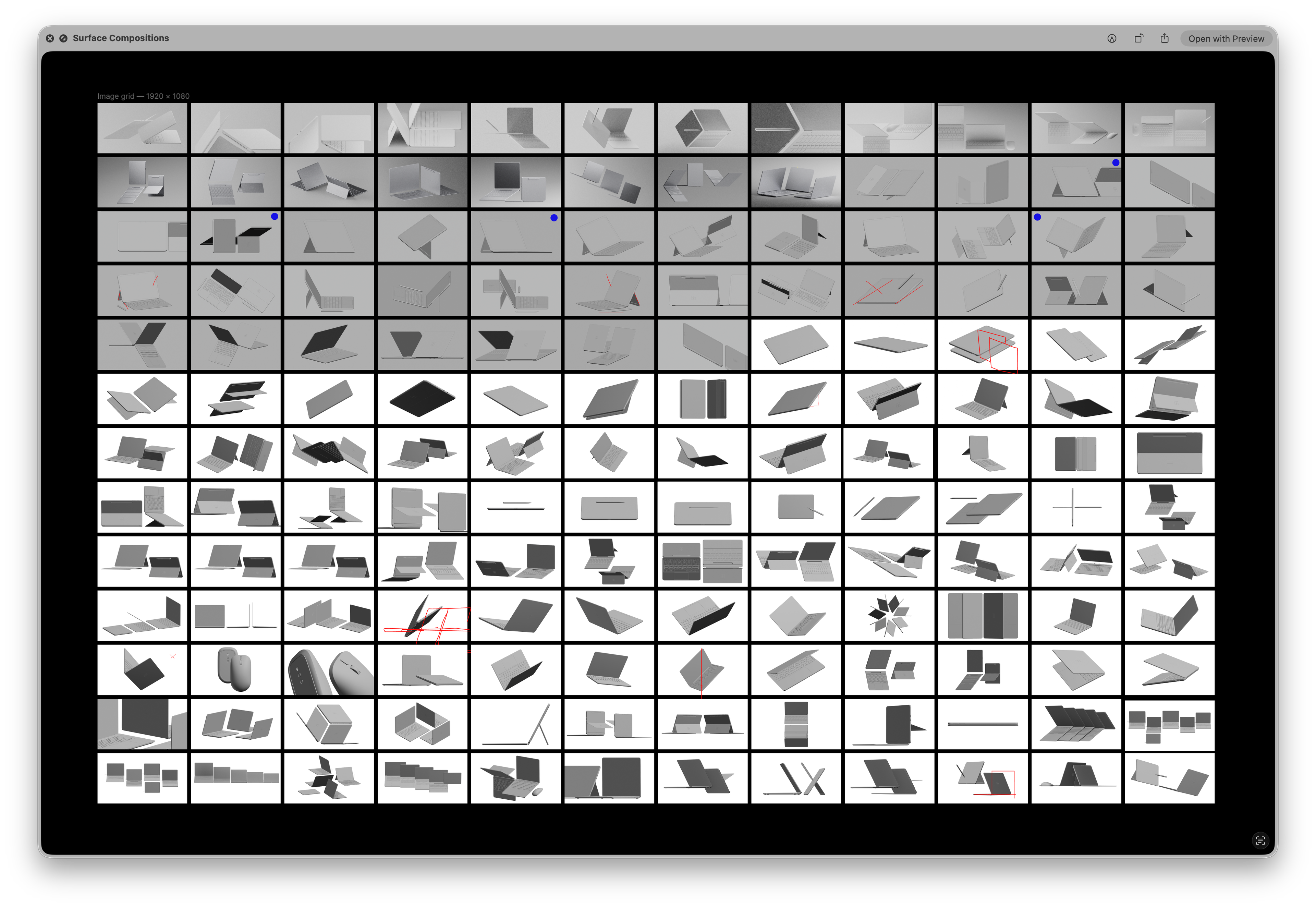
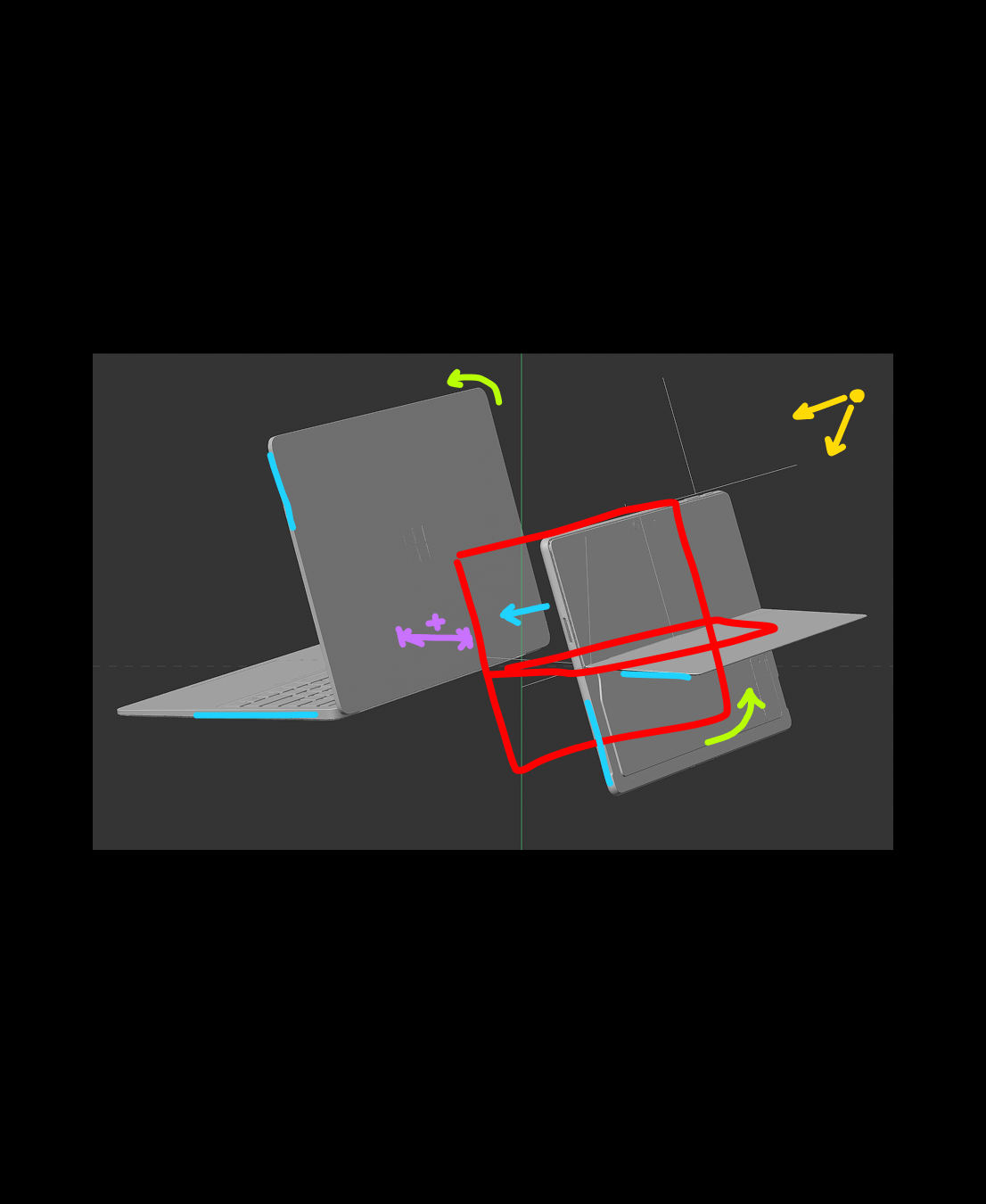
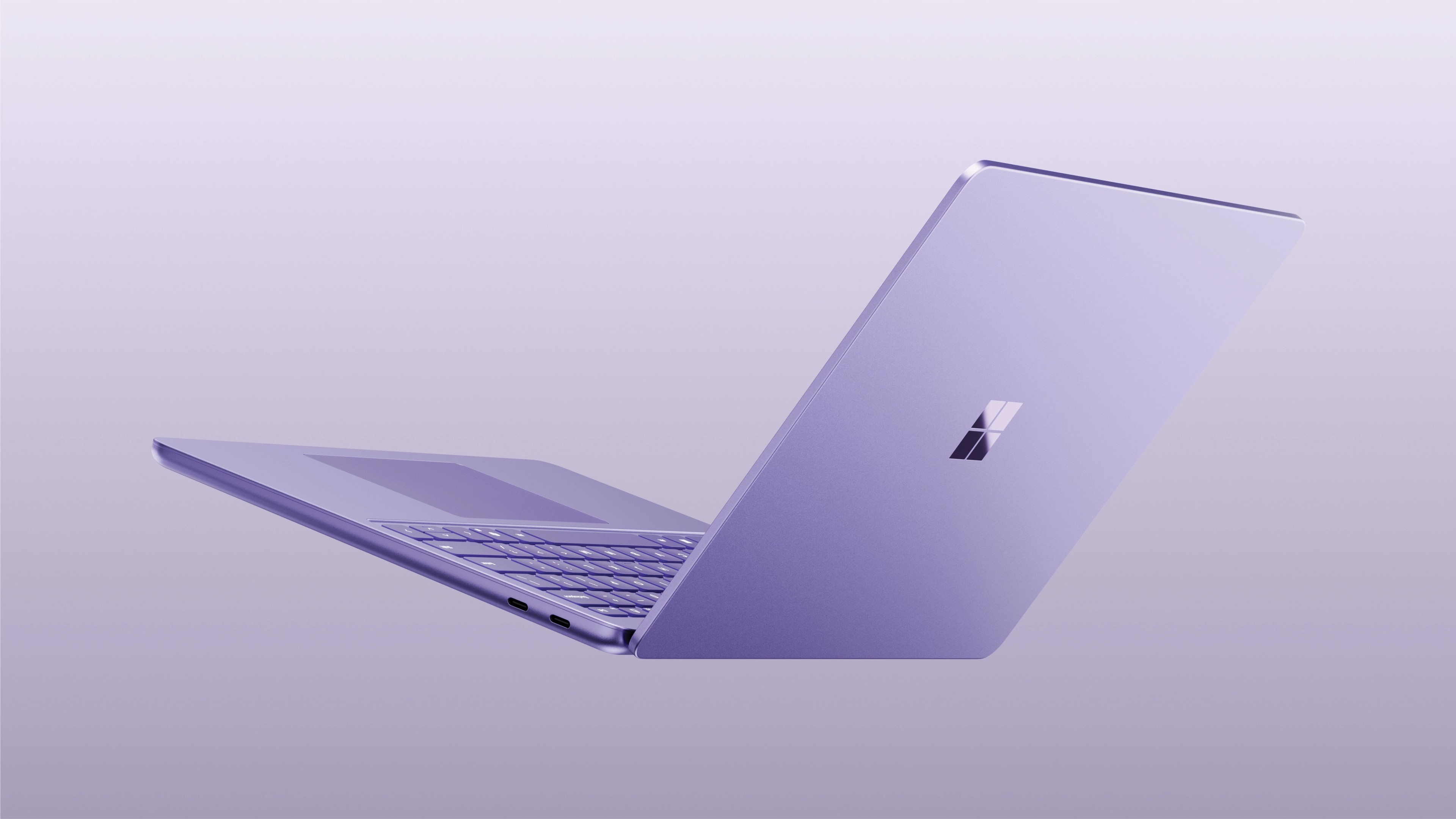
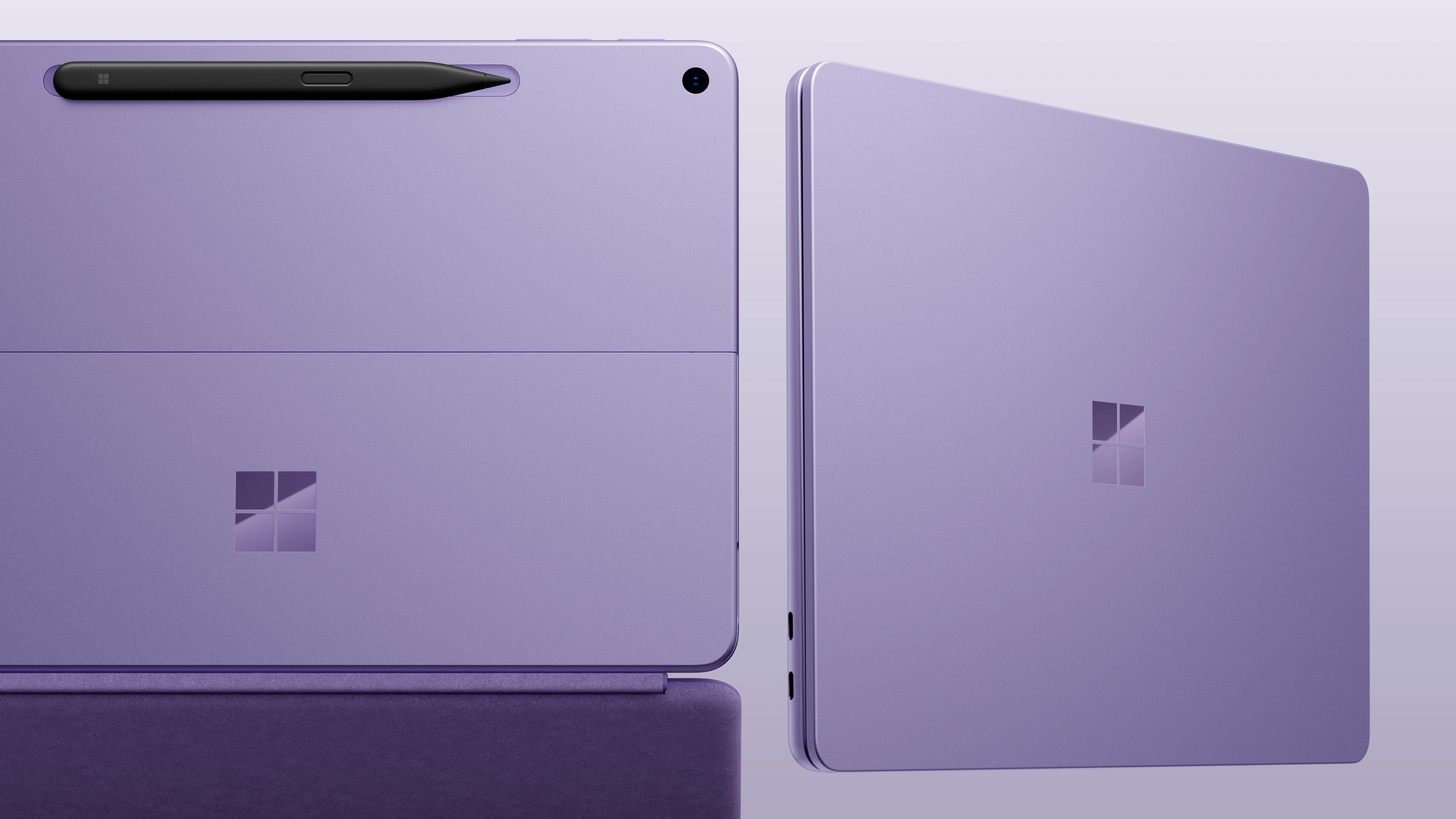
We know the shape of a laptop before we know which one it is. Open or closed, across a room, it doesn’t take much to recognize. That familiarity can make the details disappear.
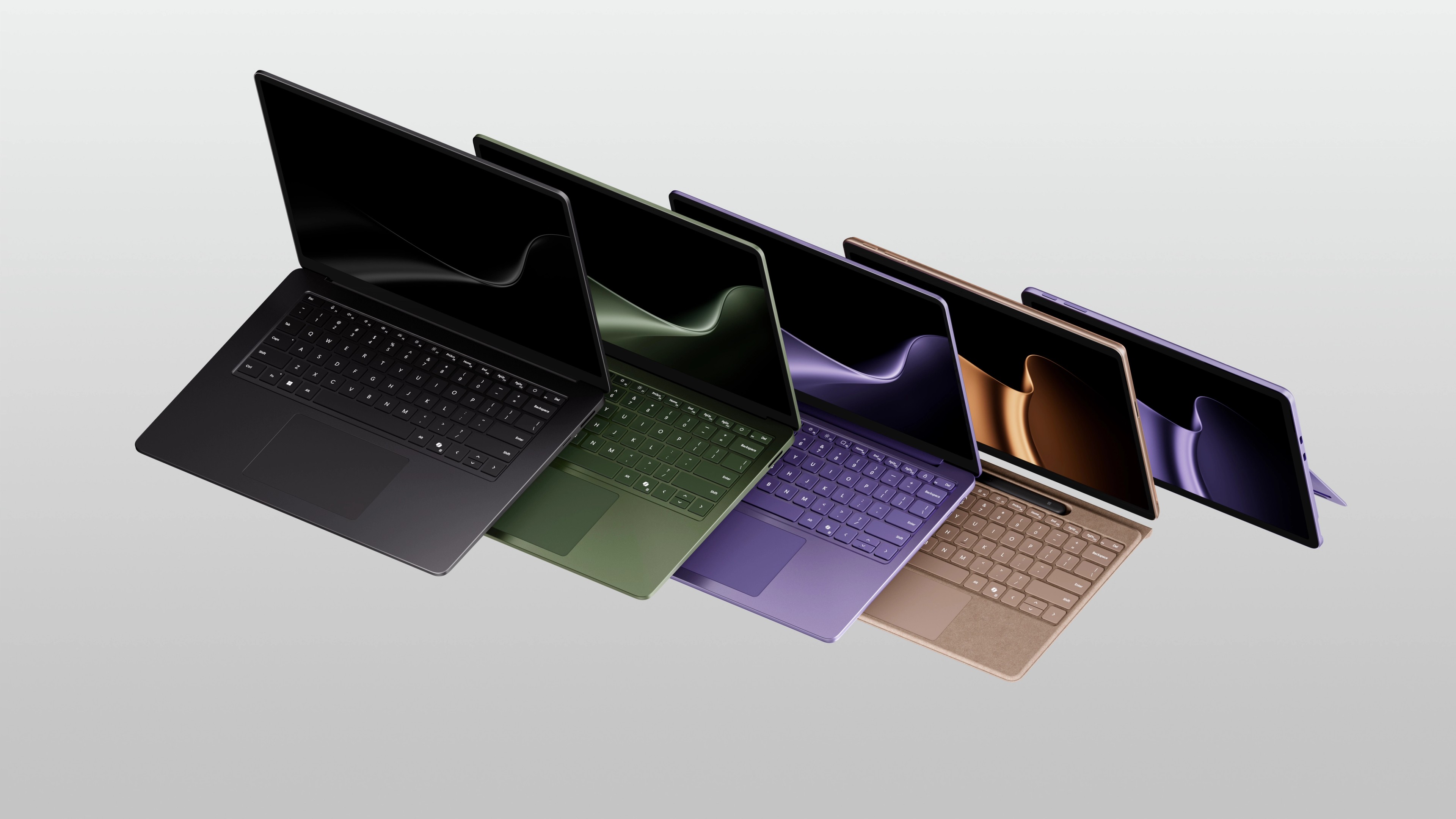
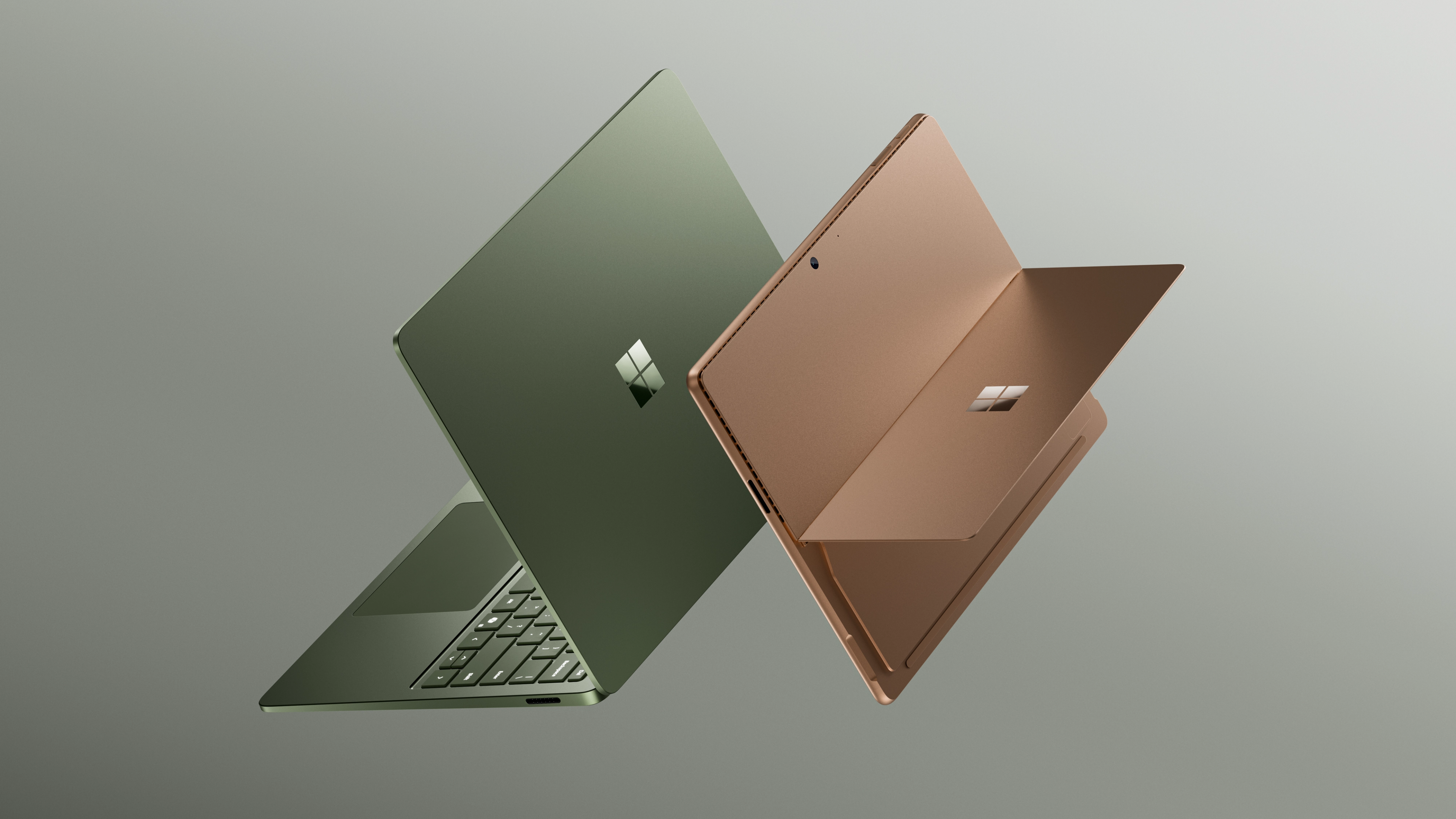
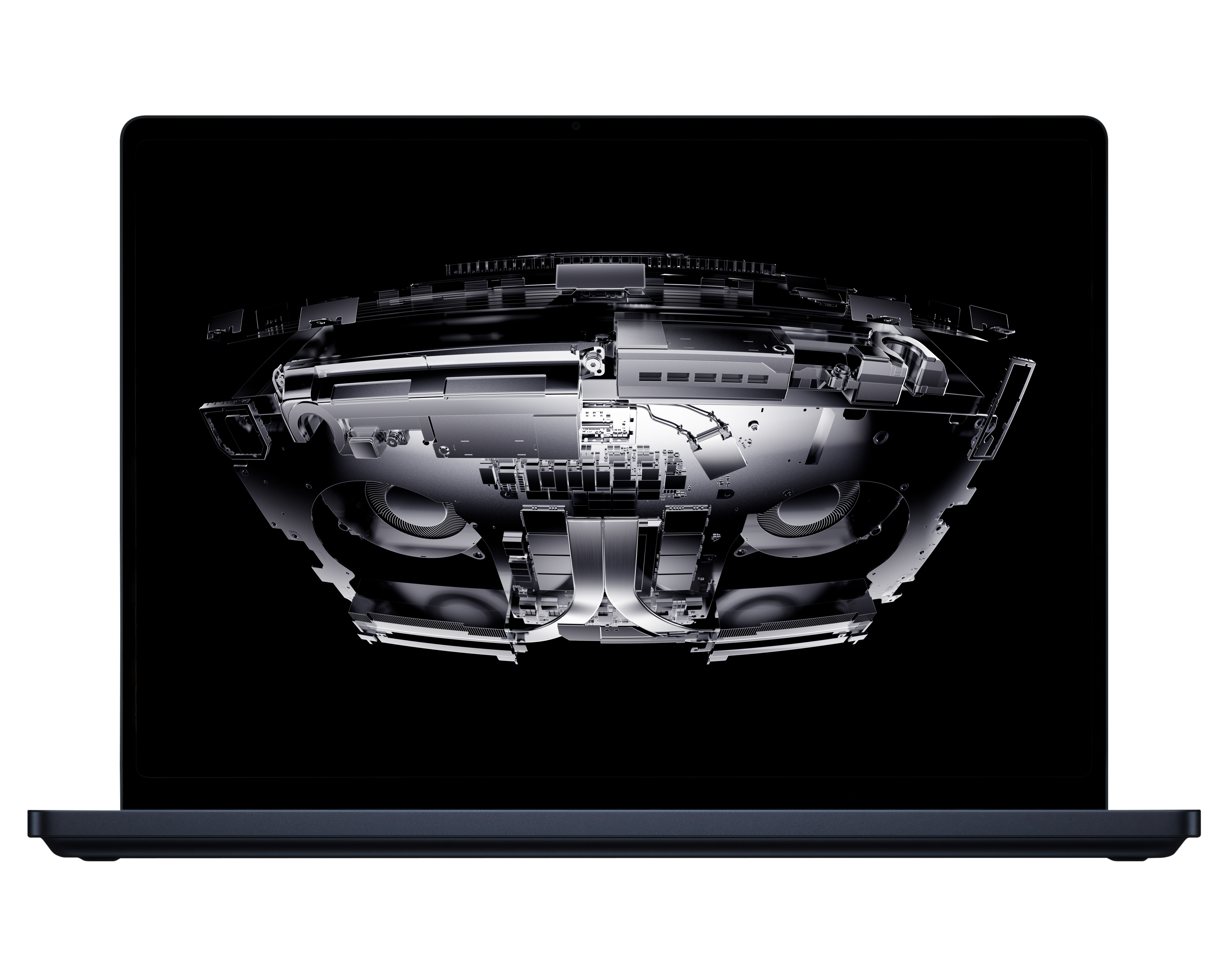
Our images of the new Surface products bring those details back into view. Light defines an edge. Shadow reveals a curve. Motion changes what we notice. The familiar shape gives us a way in; the details give us a reason to look again.
Before the First Window
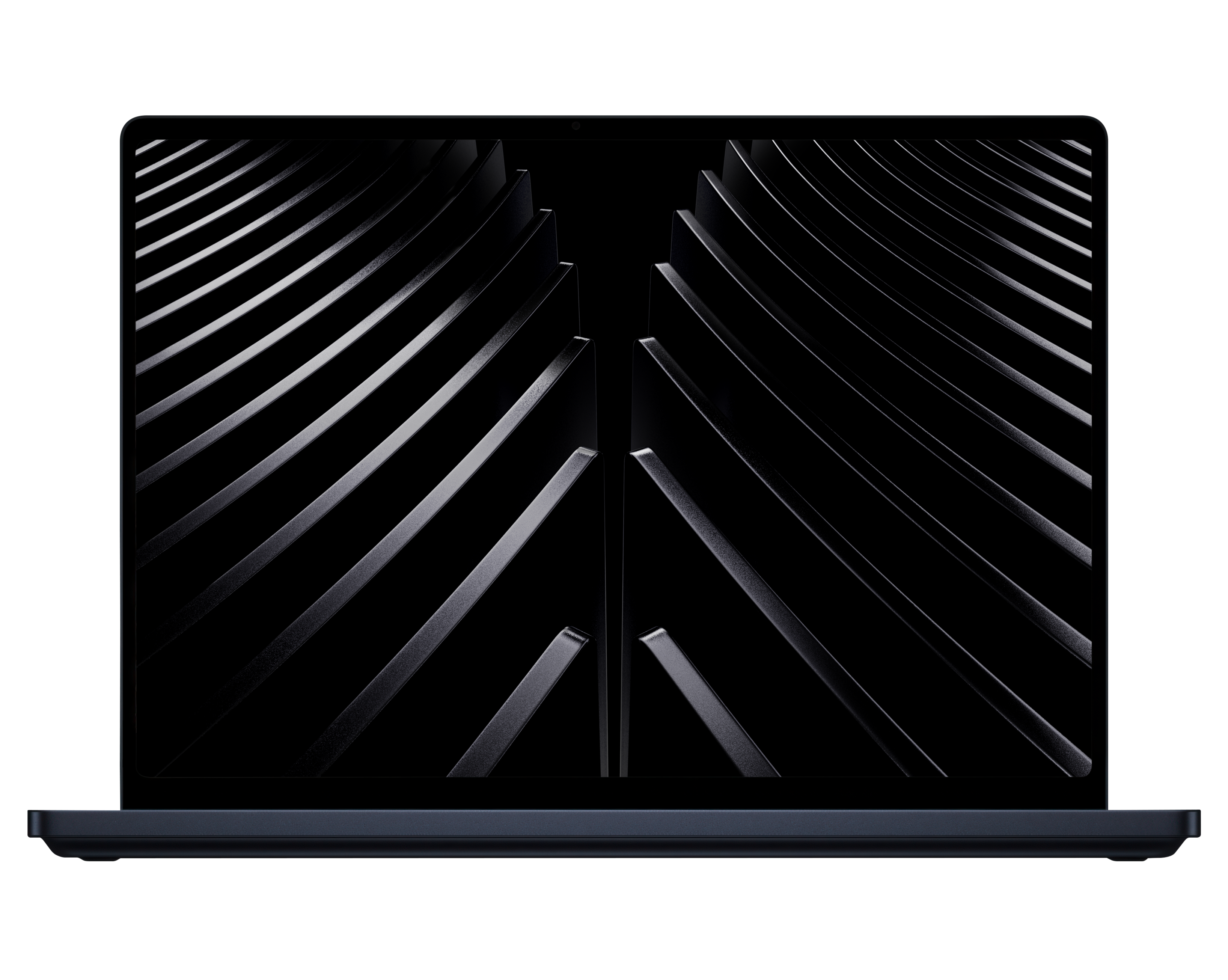
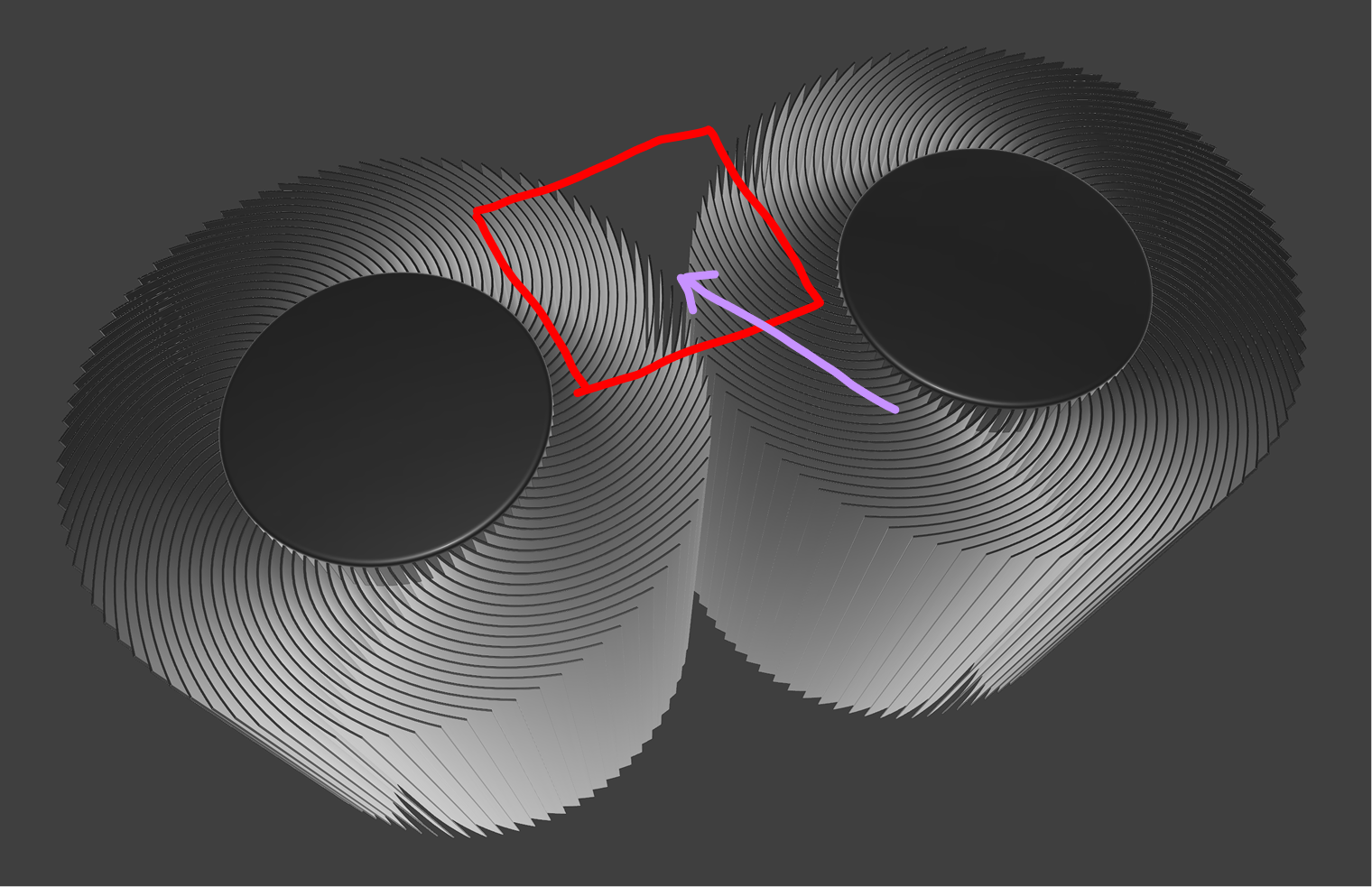
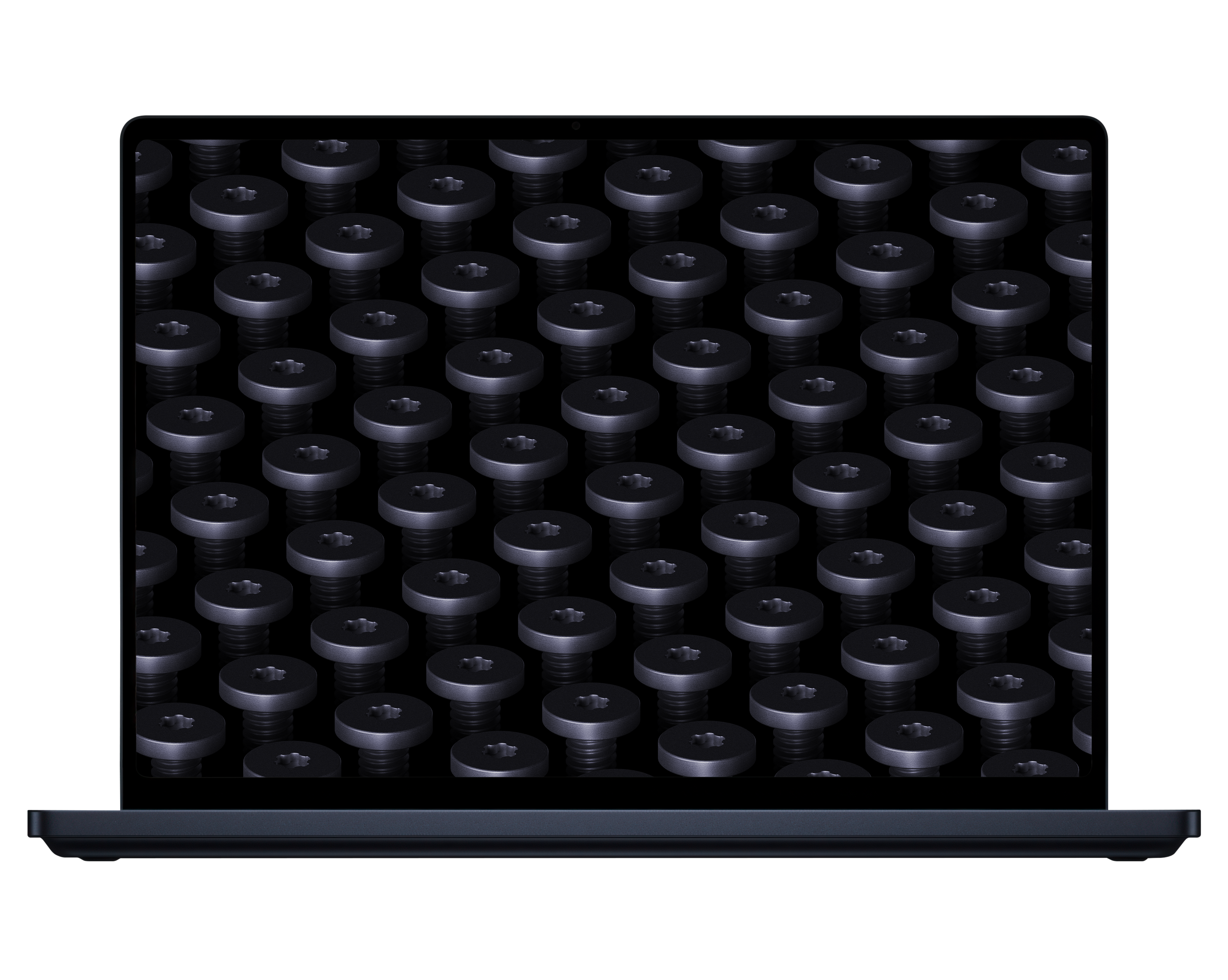
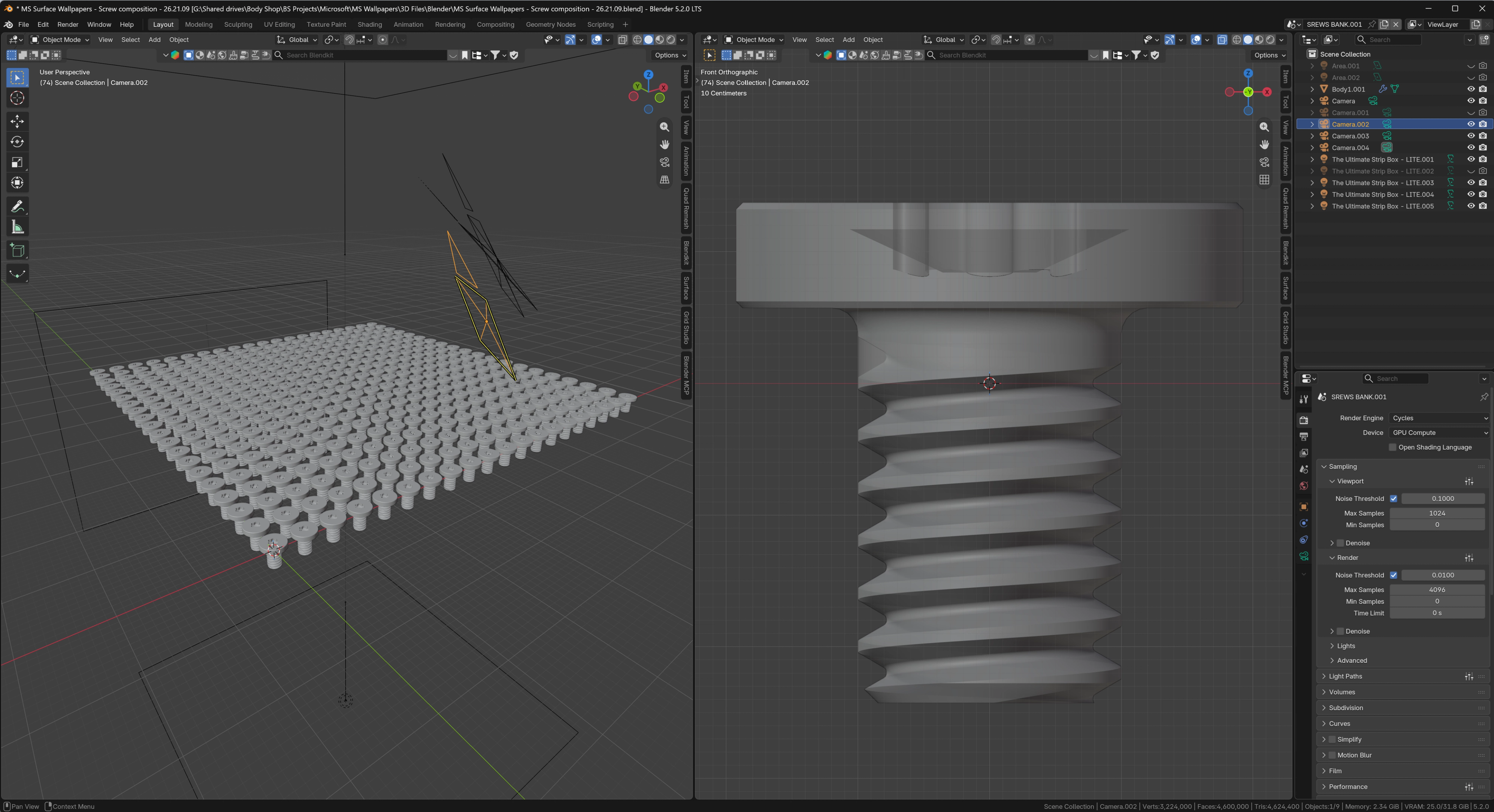
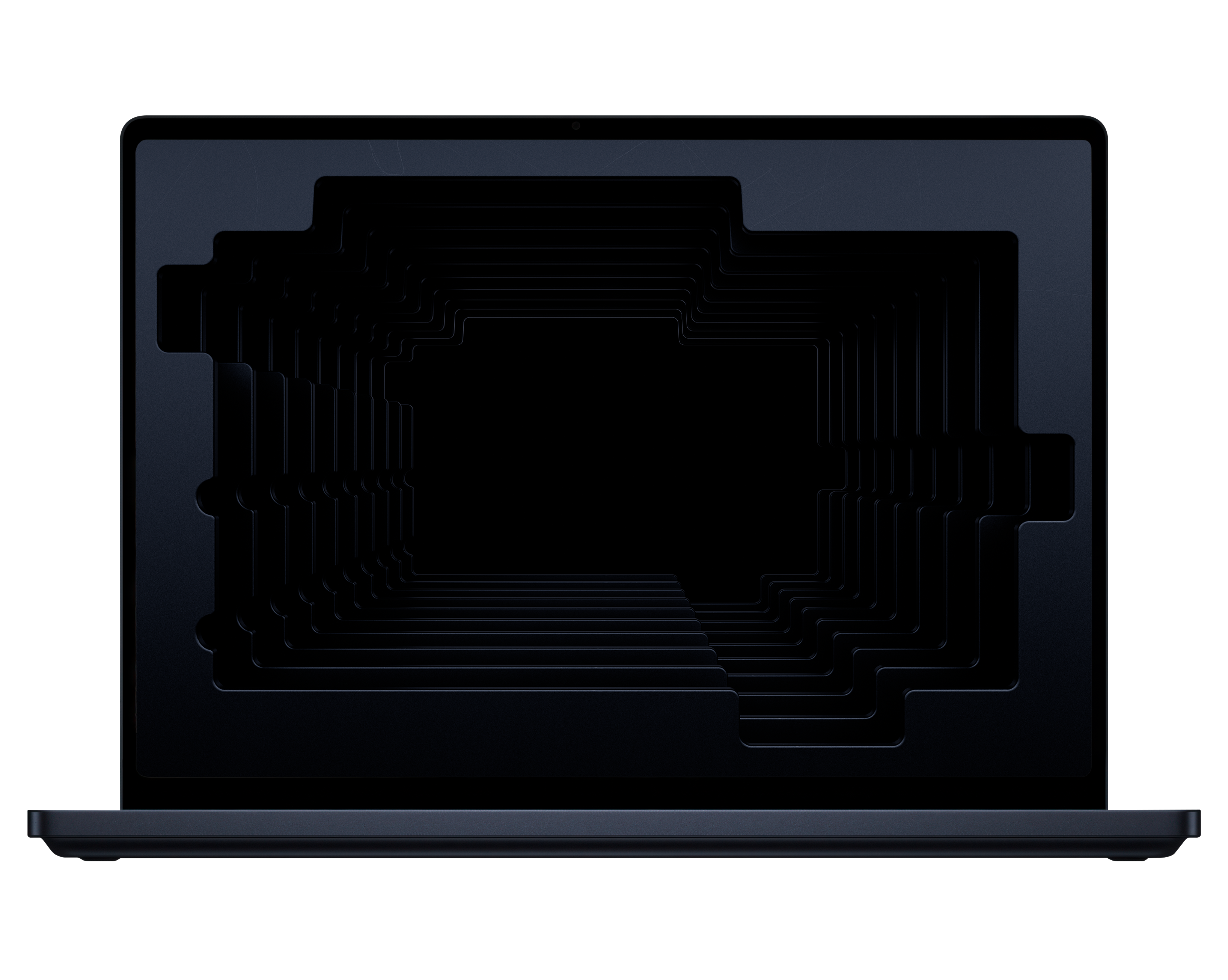
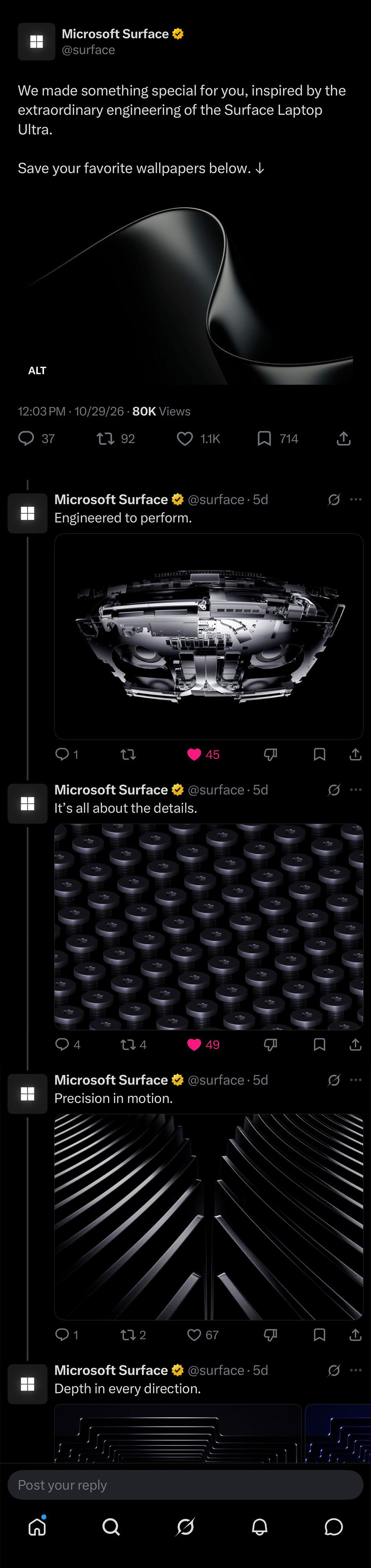
A wallpaper fills the screen, then spends most of its life covered up. It’s in the moments between tasks that it sets the tone of the device.
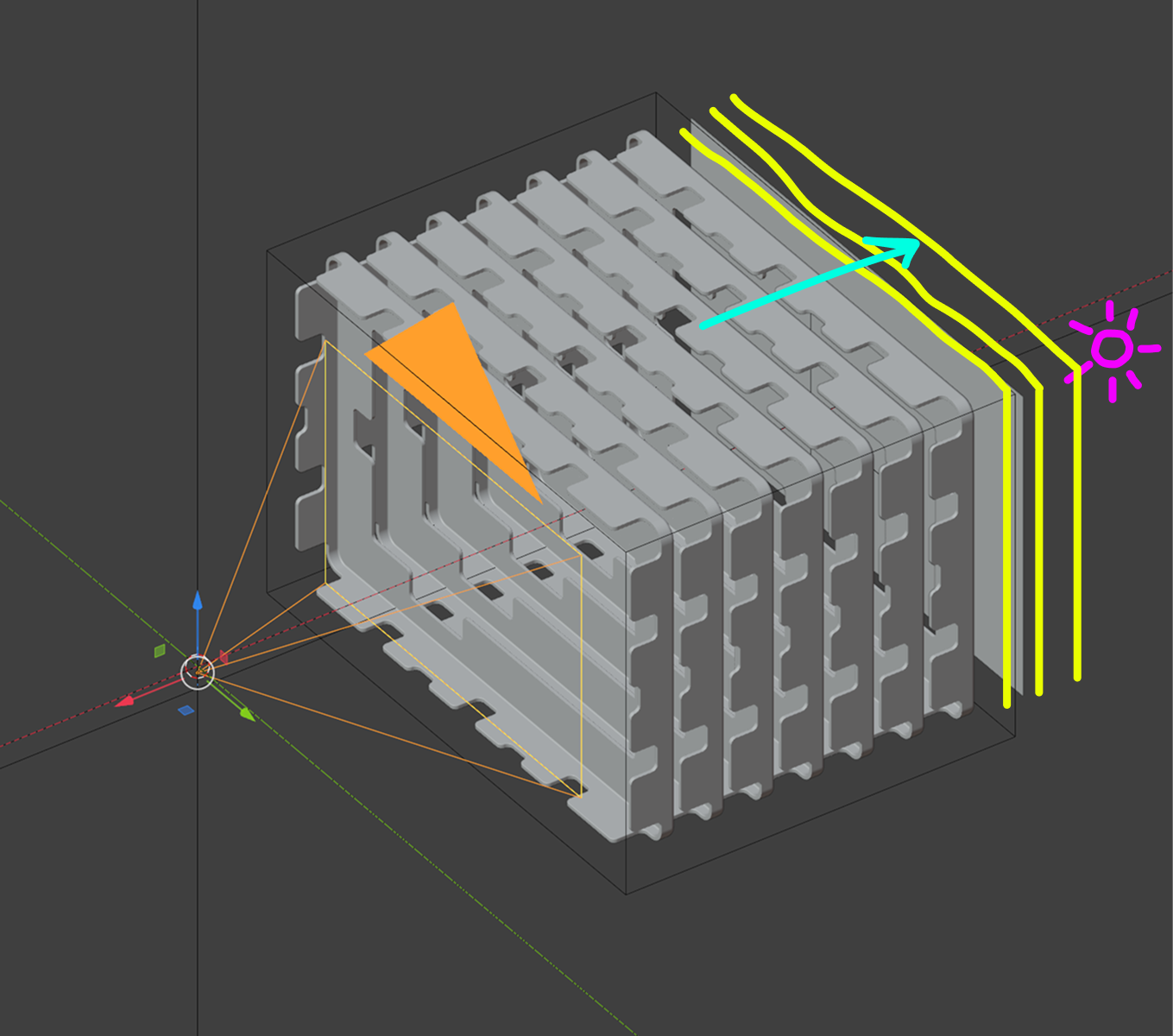
For Surface’s 2,000-nit display the wallpapers needed to stay dark, so we built depth through shadow. The screen’s capacity for brightness became a question of where to use it.
A PLACE FOR THE INVISIBLE
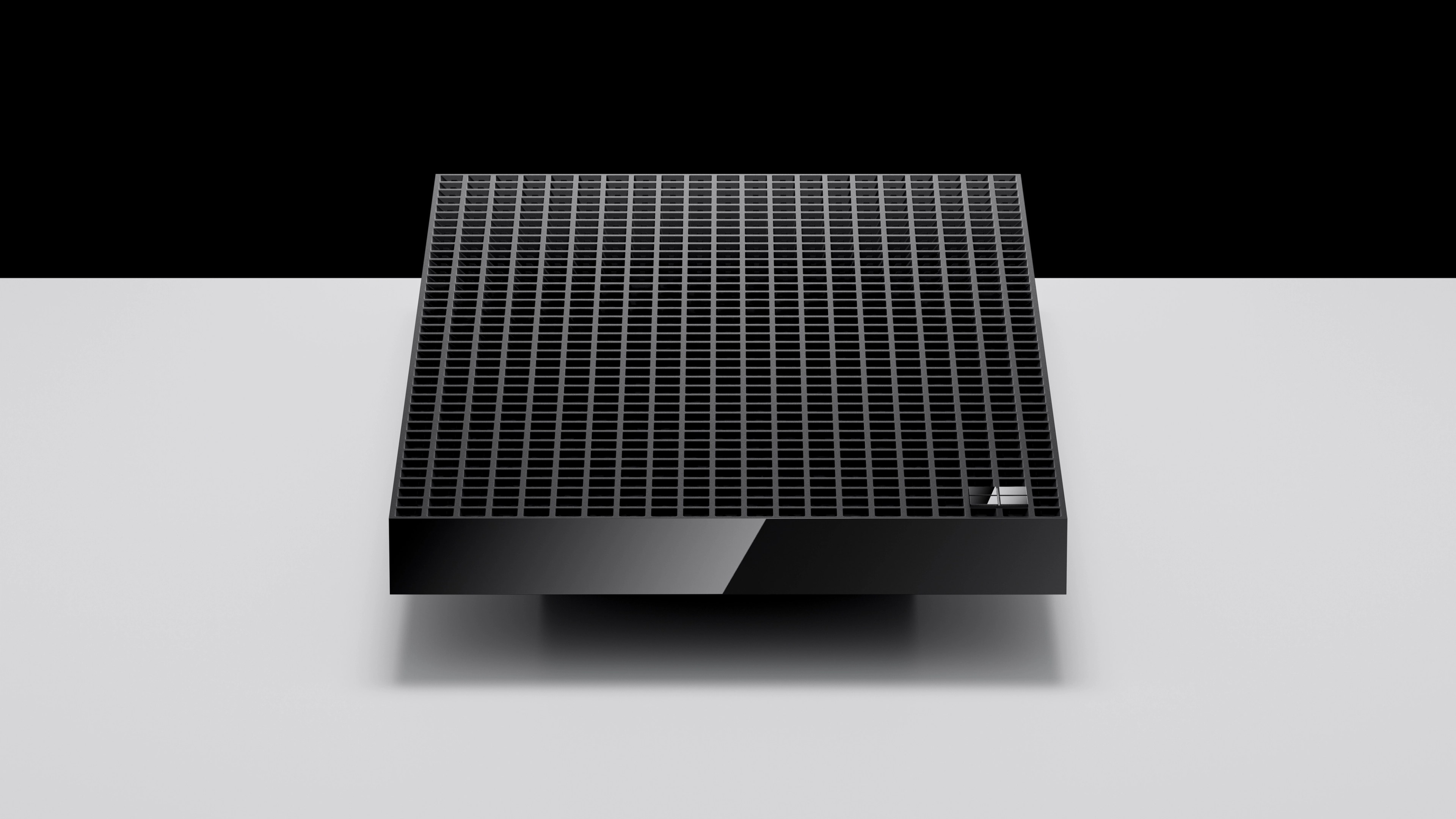
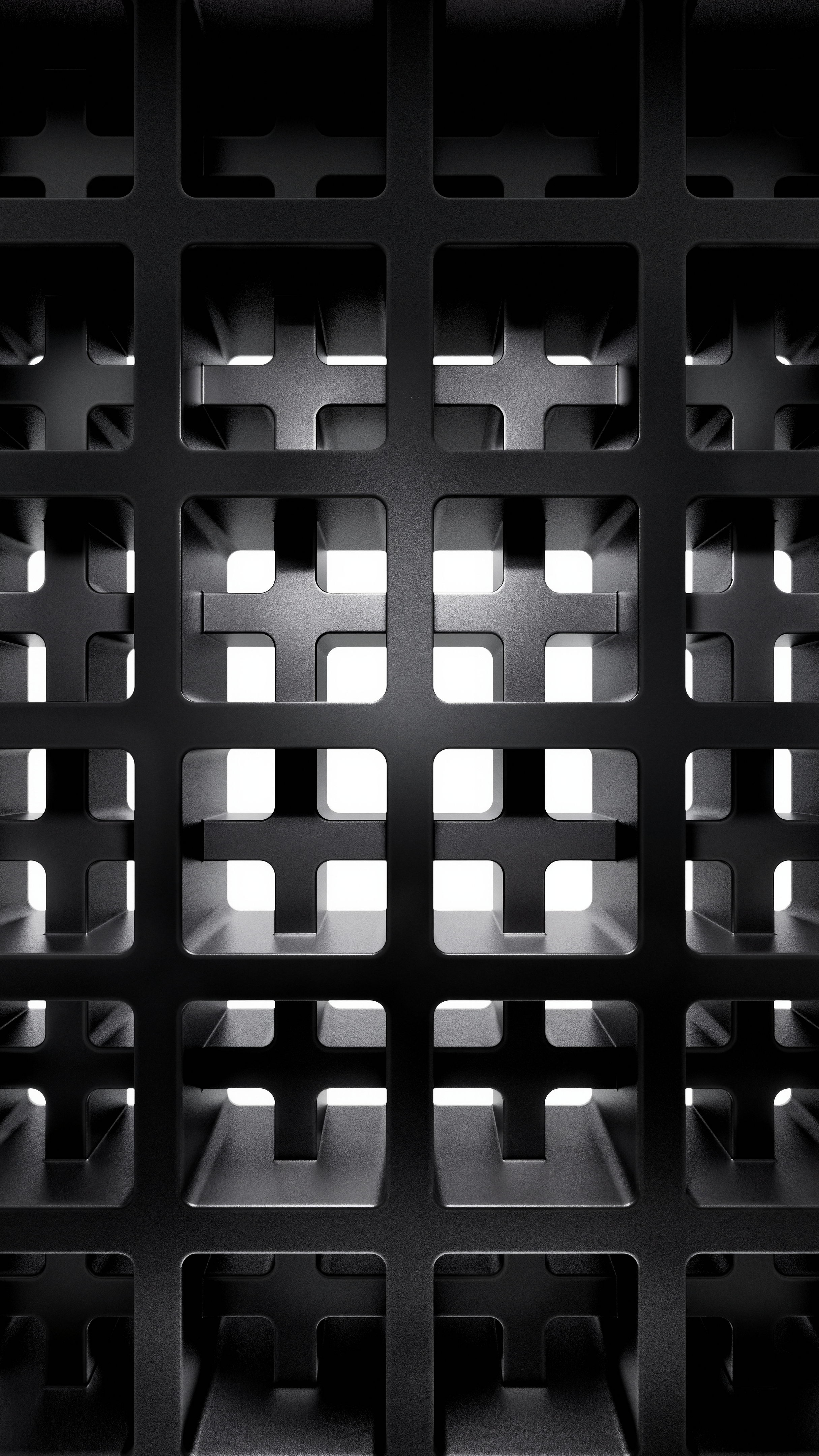
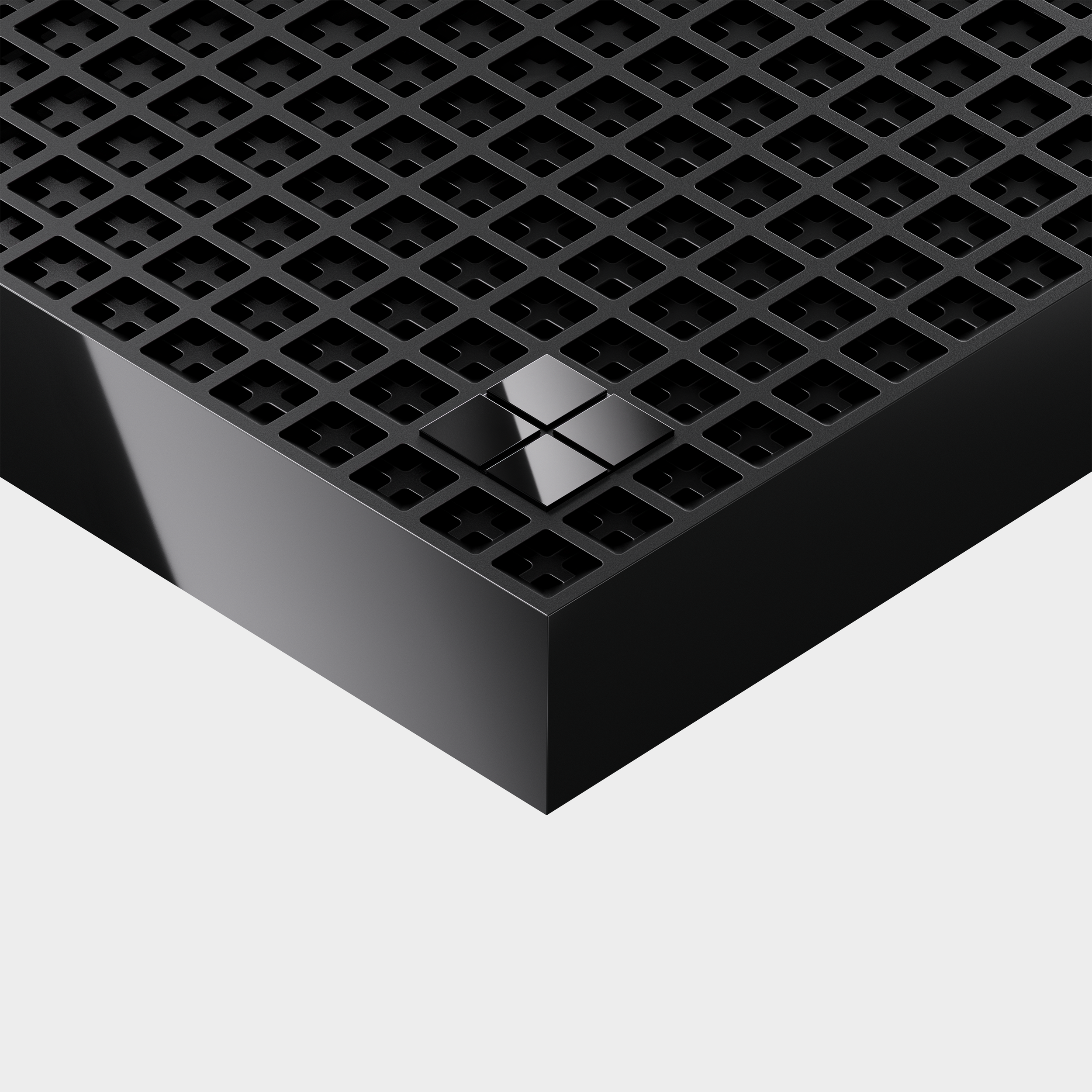
A shrine gives a spirit an address. A computer gives computation a place in the room. The enclosure is small, and what we imagine happening inside it is harder to contain.
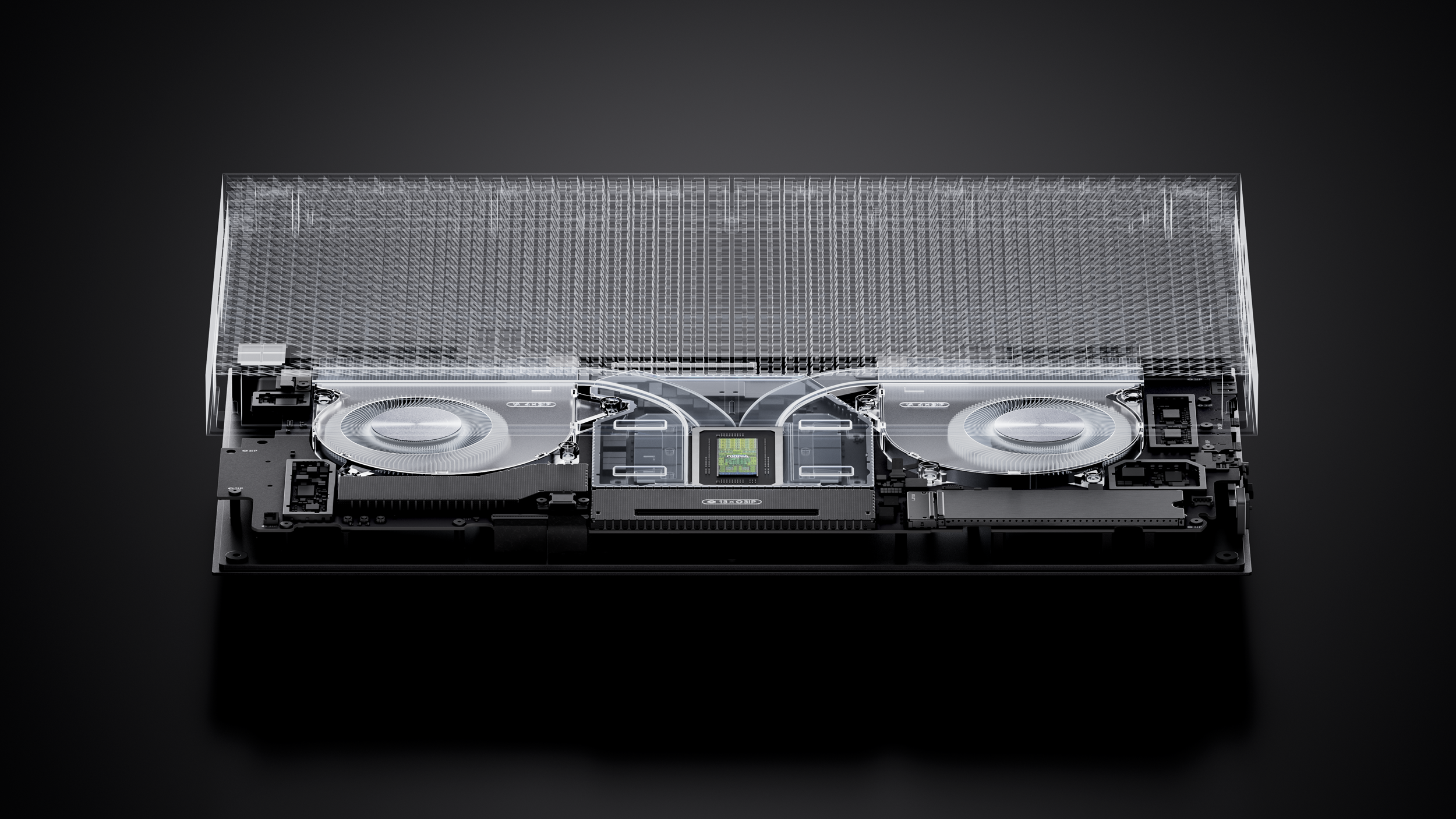
For Microsoft’s Surface RTX Spark Dev Box, we created announcement visuals around that difference in scale: a quiet object on a desk, holding the possibility of what someone might build.
CREDITS
Industrial Design: Microsoft (Tim Escolin, Jit Hirani, Ish Adams, Harry Teng, Brian Min, Kait Schoeck)
Production: Microsoft (Ryta Karagodina, Mary Harris)
CGI: Body Shop
Creative Direction: Body Shop